Wednesday, November 20, 2024

Popular Cutting Board Woodworking Ideas for Craft Fairs

Popular Cutting Board Woodworking Ideas for Craft Fairs

Cutting Board Woodworking Ideas for Craft Fairs

Hey there, fellow crafters! Ready to make some serious cash at your next craft fair? Cutting boards are a classic, always-in-demand item, and with a little creativity, you can stand out from the crowd. Let's talk about some fun, marketable cutting board woodworking ideas that will make your booth the talk of the fair!

Beyond the Basic: Get Creative with Your Cutting Boards

Sure, a simple rectangular cutting board is a solid seller, but it's time to level up! Let's explore some cutting board variations that'll make people say, "Whoa, I gotta have that!"

Shape It Up!

Break free from the square and rectangle! Get funky with your shapes. Think:

  • Rounded Edges: Soften the corners for a more modern, elegant look.
  • Heart Shape: Perfect for Valentine's Day or just because love is in the air!
  • Circles and Ovals: Create a more unique, statement piece for your kitchen.
  • Animal Shapes: Bring the fun with whimsical shapes like a fish, a turtle, or a playful dog.

Go Big or Go Home! (Or Both!)

Think outside the typical serving-size box. Offer:

  • Large Cutting Boards: Perfect for butchering, charcuterie boards, or even as stylish wall decor.
  • Small Cutting Boards: Great for cheese, crackers, or even serving desserts.

Add Some Personality with Inlays and Designs

Woodworking magic, here we come!

  • Simple Geometric Designs: Inlay triangles, squares, or circles in contrasting wood species for a modern touch.
  • Floral Motifs: Use wood-burning techniques or create delicate flower-shaped inlays for a touch of romance.
  • Personalized Monograms: Add a personal touch with initials or a family name. Just make sure to get permission before making custom designs.
  • Live Edge Cutting Boards: Embrace the natural beauty of the wood by leaving the bark on the edge for a rustic, one-of-a-kind look.

Think Beyond the Kitchen: Multi-Purpose Cutting Boards

Who says a cutting board can't be more than just a kitchen tool?

  • Serving Trays: Create a cutting board with handles for easy transport, perfect for serving cheese, appetizers, or even a fancy charcuterie board.
  • Wall Decor: Make a statement piece with a large, beautifully crafted cutting board to hang on a wall as art.
  • Personalized Gifts: Turn a cutting board into a thoughtful gift for weddings, housewarmings, or birthdays. Add a personalized touch with engraving or a decorative inlay.

Woodworking Tips for Cutting Board Success

Now that you're brimming with cutting board ideas, let's talk about the woodworking aspects to make sure your creations are top-notch.

Choose Your Wood Wisely

Not all wood is created equal when it comes to cutting boards. Here's the deal:

  • Hardwoods: Hardwoods like maple, cherry, walnut, and oak are ideal for their durability and resistance to knife marks. They also hold up well to repeated washings.
  • Softwoods: While softwoods like pine and cedar are more affordable, they're not as durable for cutting. They might be better suited for serving trays or decorative items.
  • Exotic Woods: For a unique, eye-catching look, consider using exotic woods like padauk, purpleheart, or zebrawood. But be aware that these woods can be more expensive and may require special finishing techniques.

Construction Techniques: Putting It All Together

There are a few common ways to build cutting boards:

  • Glued-Up Boards: The most common method is to glue together several smaller pieces of wood to create a larger cutting board. This provides stability and prevents warping.
  • Edge Grain Construction: This involves gluing together boards with the grain running perpendicular to the surface of the cutting board. Edge grain boards are known for their durability and resistance to knife marks.
  • End Grain Construction: In this technique, the wood grain is perpendicular to the surface of the board. This provides a self-healing surface that reduces knife dulling and absorbs impact. It's a bit more challenging to build, but worth it for its superior performance.

Finishing Touches: Protecting Your Work of Art

A proper finish is crucial for both beauty and functionality. Here's the lowdown:

  • Food-Safe Finishes: Use food-safe oils like mineral oil, beeswax, or butcher block oil to seal and protect the wood. These finishes will help prevent moisture from seeping into the wood and keep your cutting boards safe for use.
  • Avoid Finishes That May Leach Into Food: Avoid using varnishes, polyurethane, or other finishes that may contain harmful chemicals. These finishes are not food-safe and can be dangerous to ingest.
  • Regular Maintenance: After each use, hand-wash your cutting boards with mild soap and warm water. Dry them completely with a clean cloth. Reapply a food-safe oil regularly to keep the wood hydrated and protected.

Tips for Success at Craft Fairs

Now that you're a cutting board whiz, let's make sure you shine at your next craft fair.

  • Showcase Your Craft: Present your cutting boards in an attractive way. Use a sturdy display table and consider a backdrop or tablecloth that complements your wood choices.
  • Price It Right: Research the competition and price your cutting boards competitively. Factor in the cost of materials, labor, and your desired profit margin.
  • Talk Up Your Craft: Be prepared to tell shoppers about your woodworking process, the types of wood you use, and the care instructions. Show your passion, and let your enthusiasm for woodworking shine through.
  • Offer Discounts and Promotions: Consider offering discounts for multiple purchases or special deals on certain days. Get creative with your promotional strategies!
  • Gather Feedback: Ask your customers for feedback on their experience and for ideas for new products. Use their input to continually improve your craft and expand your offerings.

Commonly Asked Questions

Got questions? I've got answers! Here are some common questions about cutting boards:

What's the best way to clean a cutting board?

Always hand-wash your cutting boards with mild soap and warm water. Avoid using harsh detergents or abrasive cleaners that can damage the wood. Dry them completely with a clean cloth.

How often should I oil my cutting board?

It depends on how often you use your cutting board. For everyday use, apply a food-safe oil every month or so. If you use your cutting board less frequently, you can oil it every few months.

Can I use a cutting board for both raw meat and vegetables?

It's best to use separate cutting boards for raw meat and vegetables to prevent cross-contamination. This will help keep your food safe and prevent the spread of bacteria.

That's it, folks! With a little creativity and a lot of woodworking know-how, you can create stunning cutting boards that are sure to be a hit at craft fairs. Happy crafting, and may your booth be overflowing with happy customers!
10 Beginner-Friendly Wood Project Ideas to Build for Your Home

10 Beginner-Friendly Wood Project Ideas to Build for Your Home

10 Beginner-Friendly Wood Project Ideas to Build for Your Home

Hey there, DIY enthusiast! Are you itching to get your hands dirty and create something awesome for your home, but feel a little intimidated by the whole woodworking thing? Don't worry, you're not alone. Woodworking can seem daunting at first, but with the right projects and a little guidance, it's surprisingly accessible. Let's dive into 10 beginner-friendly wood projects that will get you hooked on the craft and make your home a little more stylish and personalized.

1. A Simple Picture Frame

Let's start with something truly basic. A picture frame is a perfect beginner project for a few reasons. First, it's small and manageable, so you won't be overwhelmed by the size. Second, you can easily find instructions online, and there are plenty of tutorials with detailed step-by-step guides. Plus, you get to showcase your favorite photos in a custom frame you made yourself!

What You'll Need:

  • Wood strips (choose a simple wood like pine or poplar)
  • Mitre saw or hand saw
  • Wood glue
  • Clamps
  • Sandpaper
  • Stain or paint (optional)
  • Glass or plexiglass (optional)
  • Picture hanging hardware (optional)

Here's the Basic Process:

  1. Cut your wood strips to size, creating four sides that will form the frame.
  2. Use a mitre saw or a hand saw to cut precise 45-degree angles on the ends of the strips for a clean, mitered corner look.
  3. Apply wood glue to the ends of the strips and carefully assemble the frame. Clamp it securely until the glue dries.
  4. Sand down any rough edges and imperfections.
  5. If you're staining or painting, apply your chosen finish.
  6. Attach the glass or plexiglass (if using) to the frame with small tacks.
  7. Add hanging hardware on the back if you want to hang your frame on the wall.

2. A Cozy Wooden Shelf

Okay, ready for a slightly bigger challenge? Building a shelf is a great way to add storage and organization to your home, and it's surprisingly doable for beginners. You can keep it simple with a floating shelf or get creative with a tiered or corner shelf design.

What You'll Need:

  • Wooden boards (for shelf and supports)
  • Screws
  • Drill and screwdriver bits
  • Level
  • Tape measure
  • Pencil
  • Sandpaper
  • Stain or paint (optional)

Building a Basic Floating Shelf:

  1. Cut your boards to size. The shelf board should be the width you want, and the support boards should be slightly shorter to create a hidden support system.
  2. Pre-drill holes in the support boards to prevent splitting when screwing them in.
  3. Attach the support boards to the wall, ensuring they are level. Use screws that are long enough to securely fasten to your wall studs.
  4. Position the shelf board on top of the support boards, ensuring it's level. Pre-drill holes and attach it to the support boards using screws.
  5. Sand down the shelf and supports, and apply stain or paint if you desire.

3. A Charming Wooden Sign

Want to add a personalized touch to your home decor? Wooden signs are a fantastic way to showcase your creativity and express your personality. You can create a welcome sign for your front door, a motivational quote for your home office, or a cute kitchen sign for your baking corner. The possibilities are endless!

What You'll Need:

  • Wooden board (you can find pre-cut signs at craft stores or use a scrap board)
  • Stencil or paint brushes (for lettering)
  • Acrylic paint (in your desired colors)
  • Sandpaper
  • Saw (if you need to cut the board to size)
  • Optional embellishments: twine, buttons, glitter, etc.

Creating Your Sign:

  1. Sand down your wooden board to create a smooth surface.
  2. If needed, cut your board to the desired size.
  3. If using a stencil, secure it to the board using painter's tape. Apply paint through the stencil, being careful to avoid bleeding.
  4. If hand-painting letters, use a steady hand or practice on a separate piece of paper first. Let the paint dry completely.
  5. Add any desired embellishments, such as twine, buttons, or glitter.
  6. You can finish the sign with a clear coat of sealant to protect the paint and add a glossy finish.

4. A Practical Cutting Board

Cutting boards are a kitchen essential, and you can make a stunningly functional one yourself. Choose a nice hardwood like maple or walnut, and you'll have a cutting board that's both beautiful and durable. Don't worry, cutting boards are surprisingly straightforward to make.

What You'll Need:

  • Hardwood board (like maple, walnut, or cherry)
  • Jointer (optional, but helps for a smoother surface)
  • Planer (optional, but helps for a flat surface)
  • Table saw (to cut the board to size)
  • Sandpaper (various grits)
  • Mineral oil or beeswax (for finishing)

Building Your Cutting Board:

  1. If you're using a jointer and planer, use these to flatten and smooth the board. This step is optional but will result in a smoother cutting surface.
  2. Cut the board to your desired size using a table saw.
  3. Sand the board with progressively finer grits of sandpaper to achieve a smooth finish. This will help prevent food from sticking and make cleaning easier.
  4. Apply mineral oil or beeswax to the board using a cloth or brush. This will protect the wood and make it water-resistant. Let it dry completely.
  5. Repeat the mineral oil or beeswax treatment every few months to keep your cutting board in good condition.

5. A Decorative Wooden Box

Wooden boxes are versatile! You can use them for storage, as jewelry boxes, or even as decorative elements on your shelf. The beauty of a wooden box is that you can customize it to fit your style with paint, stain, or decorative elements.

What You'll Need:

  • Wooden planks (you can use scrap wood or purchase pre-cut pieces)
  • Wood glue
  • Clamps
  • Saw (to cut the planks to size)
  • Sandpaper
  • Hinges (for the lid)
  • Screws
  • Stain or paint (optional)
  • Decorative elements (optional: knobs, handles, etc.)

Constructing Your Box:

  1. Cut your wooden planks to the desired size for the box and lid. The box will have four sides and a bottom.
  2. Glue and clamp the sides of the box together, creating a square or rectangular frame. Let the glue dry completely.
  3. Attach the bottom to the frame using glue and clamps. Again, allow the glue to dry fully.
  4. Sand down the box and lid to achieve a smooth finish.
  5. Attach hinges to the lid using screws. You might need to pre-drill holes to prevent splitting.
  6. Apply stain or paint to your box and lid (if you're adding a finish).
  7. Attach any decorative elements like knobs or handles to the box and lid.

6. A Functional Wooden Tray

Wooden trays are a great way to add a touch of elegance to your home. You can use them to serve snacks, organize your toiletries, or even display small plants. Making a wooden tray is a simple and rewarding project.

What You'll Need:

  • Wooden boards (you can use a single large board or smaller planks)
  • Wood glue
  • Clamps
  • Saw (to cut the boards to size)
  • Sandpaper
  • Optional: wooden handles (for a more traditional look)
  • Stain or paint (optional)
  • Clear finish (like polyurethane or wax)

Building Your Tray:

  1. Cut your wooden boards to the desired size for the tray. You'll need a bottom and sides that will form the perimeter.
  2. Glue and clamp the sides to the bottom, creating a frame. Make sure the corners are aligned and the sides are flush with the bottom.
  3. Let the glue dry completely. You can use a weight or additional clamps to ensure the pieces are pressed together firmly.
  4. Sand down the tray to smooth out any rough edges.
  5. If adding handles, attach them to the sides of the tray using screws or glue. You can pre-drill holes for the screws to prevent splitting.
  6. Apply stain or paint to your tray if you'd like to add a specific color.
  7. Apply a clear finish, like polyurethane or wax, to protect the wood and enhance its natural beauty. This will also make cleaning the tray easier.

7. A Charming Wooden Birdhouse

Want to add some personality to your yard? Building a wooden birdhouse is a fun and rewarding project that will attract feathered friends to your garden. You can choose a simple design or get creative with different shapes and sizes. Plus, it's a wonderful way to connect with nature and provide a home for birds.

What You'll Need:

  • Wooden boards (you can use scrap wood or buy pre-cut pieces)
  • Saw (to cut the boards to size)
  • Wood glue
  • Screws
  • Drill
  • Sandpaper
  • Paint or stain (optional)
  • Optional: birdhouse roof shingles, decorative trim, etc.

Constructing Your Birdhouse:

  1. Choose a birdhouse design and find instructions online. There are numerous free and paid birdhouse plans available.
  2. Cut your wooden boards to the size specified in the instructions. You'll need pieces for the base, sides, roof, and entry hole.
  3. Assemble the birdhouse by gluing and screwing the pieces together. Make sure the entry hole is the appropriate size for the type of bird you want to attract.
  4. Sand down the birdhouse to create a smooth surface. You can also use a round sander to create a smoother finish around the entry hole. This will prevent the birds from getting splinters.
  5. Paint or stain your birdhouse to your liking. Choose colors that blend with your garden or use bright colors to make it stand out!
  6. Add any decorative elements like shingles, trim, or a perch.

8. A Stylish Wooden Coasters Set

Wooden coasters are a practical and elegant way to protect your furniture from condensation rings. Making a set of coasters is a fantastic beginner project that can be customized to fit your home decor. You can experiment with different shapes, sizes, and wood types.

What You'll Need:

  • Wooden squares or circles (cut from scrap wood or purchased pre-cut)
  • Sandpaper (various grits)
  • Wood glue (optional, for layering wood)
  • Cork sheet (for the bottom of the coasters)
  • Scissors or craft knife
  • Stain or paint (optional)
  • Clear finish (like polyurethane or wax)

Creating Your Coaster Set:

  1. Cut your wooden squares or circles to the desired size. You can use a circular saw for circles or a jigsaw for square or rectangular shapes.
  2. Sand down the wooden pieces to create a smooth finish. This will prevent the coasters from scratching your furniture. Use progressively finer grits of sandpaper for a smooth, polished look.
  3. If desired, you can layer different wood pieces together by gluing them with wood glue and clamping them until the glue dries.
  4. Cut cork circles or squares from the cork sheet using scissors or a craft knife. The cork pieces should be slightly larger than the wooden pieces to create a protective bottom for the coasters.
  5. Glue the cork pieces to the bottom of the wooden coasters. This will provide a non-slip surface and protect your tabletops.
  6. If you want to add a decorative element, stain or paint your coasters. Let the stain or paint dry completely before proceeding.
  7. Apply a clear finish, like polyurethane or wax, to seal the wood and protect it from spills or scratches.

9. A Charming Wooden Wall Clock

A wooden wall clock can add a rustic or modern touch to your home decor. You can find pre-made clock kits or create your own design. You'll need a clock mechanism, which you can purchase online or at craft stores.

What You'll Need:

  • Wooden circle (you can find pre-cut circles at craft stores or use a scrap piece of wood)
  • Saw (to cut the circle to size)
  • Sandpaper
  • Clock mechanism (including hands and movement)
  • Screws
  • Drill
  • Stain or paint (optional)
  • Optional: clock face numbers, decorative elements, etc.

Building Your Clock:

  1. If you need to cut the wood circle to size, use a jigsaw or circular saw.
  2. Sand down the wooden circle to create a smooth surface. You can also use a router to create a more decorative edge.
  3. Decide on your clock face design and add any desired numbers or decorative elements. You can use stencils, paint, or even woodburning techniques.
  4. Attach the clock mechanism to the back of the wooden circle, aligning the hands with the center of the circle. Use screws to secure the mechanism. You may need to pre-drill holes to avoid splitting the wood.
  5. Attach a hook or hanging hardware to the back of the clock for easy hanging.
  6. Insert batteries into the clock mechanism and enjoy your newly crafted clock!

10. A Personalized Wooden Jewelry Box

A wooden jewelry box is a thoughtful and practical gift, or a lovely addition to your own bedroom. You can create a unique design with different wood types, finishes, and embellishments. The beauty of woodworking is the opportunity to personalize your projects and make them truly special.

What You'll Need:

  • Wooden box (you can use a pre-made box or build one using a simple design)
  • Sandpaper
  • Stain or paint (optional)
  • Optional: wood burning tools, decorative hardware (knobs, hinges), fabric lining, etc.

Creating Your Jewelry Box:

  1. If you're building your own box, follow the instructions for creating a wooden box in step 5 of this guide. You can use a simple design and create a rectangular or square box.
  2. Sand down the box to achieve a smooth finish. If you're using a pre-made box, make sure to sand any rough edges or imperfections.
  3. If you're using wood burning tools, create a design or pattern on the box. You can find inspiration online or create your own unique designs.
  4. Apply stain or paint to the box to create your desired color or finish.
  5. Add any desired embellishments, such as decorative hardware, a fabric lining, or even a personalized engraved message.
  6. Fill the box with your favorite jewelry or use it to store other small trinkets.

Commonly Asked Questions

Q: I'm a complete beginner. Do I need fancy tools?

A: Not at all! You can start with basic tools like a hand saw, a drill, and sandpaper. You can gradually invest in more advanced tools as you gain experience and explore more complex projects.

Q: Where can I learn woodworking techniques?

A: The internet is your friend! There are countless free tutorials and videos on YouTube, woodworking websites, and online courses. You can also find great beginner-friendly books at your local library or bookstore.

Q: How do I choose the right wood for my project?

A: It depends on the project! Some woods are harder and more durable (like oak and maple), while others are softer and easier to work with (like pine and poplar). Consider the look, durability, and price when choosing wood.

Q: What safety precautions should I take?

A: Always wear safety glasses, ear protection, and a dust mask when working with wood. Make sure your workspace is well-lit and organized. And most importantly, read the instructions carefully and don't rush the process.

Q: What if I make a mistake?

A: Everyone makes mistakes! Don't get discouraged. Woodworking is a process of learning and experimenting. You can always sand down mistakes or try again. With practice and patience, you'll improve your skills and confidence.

So, there you have it! 10 beginner-friendly woodworking projects that are perfect for getting started. Don't be afraid to dive in, experiment, and enjoy the process. You'll be amazed by what you can create, and you'll be on your way to becoming a woodworking enthusiast in no time!

How to Design Birdhouses That Appeal to Buyers

How to Design Birdhouses That Appeal to Buyers

Designing Birdhouses That Sell: Attract Feathered Friends and Birdhouse Enthusiasts Alike

Want to turn your woodworking skills into a profitable venture? Crafting birdhouses is a delightful way to combine your passion with the potential for financial success. But to make your birdhouses fly off the shelves, you need to design them with both birds and buyers in mind. This means creating functional havens for avian tenants while simultaneously appealing to the aesthetic sensibilities of human customers.

Understanding Your Target Audience: Birds and Buyers

Start by asking yourself: what kind of birdhouses are most in demand? Are you targeting specific bird species with their own nesting preferences? Do you envision your birdhouses adorning modern minimalist gardens or rustic farmhouses?

Researching local bird populations can help you tailor designs to the specific birds that are most common in your area. Consider factors like size, entry hole diameter, and the type of nesting material they prefer. For example, a small, simple birdhouse might attract chickadees or wrens, while a larger, more elaborate one could appeal to bluebirds or woodpeckers.

Designing Birdhouses with Both Function and Aesthetics in Mind

Here's where the real magic happens. Blend functionality with visual appeal to create a birdhouse that both attracts birds and catches the eye of buyers.

Functionality First: Bird-Friendly Features

  • Proper Size: Select dimensions suitable for the intended bird species.
  • Entry Hole Size: Ensure it's large enough for the bird to enter easily but small enough to deter larger predators.
  • Ventilation: Include ventilation holes to prevent mold and mildew buildup.
  • Drainage: Incorporate drainage features to keep the nesting cavity dry.
  • Materials: Choose durable, weather-resistant materials like cedar or redwood that won't rot or attract pests.

Aesthetics that Captivate: Visual Appeal

  • Style: Embrace a variety of styles â€" from rustic and traditional to modern and whimsical.
  • Color: Choose colors that blend seamlessly with natural surroundings or create a vibrant pop of color.
  • Details: Add decorative elements like roof shingles, window boxes, or intricate carvings to enhance visual appeal.

Marketing Your Birdhouses: Attracting Your Ideal Customers

With your stunning birdhouses ready, it's time to connect with your target market. Here are some key strategies:

  • Online Presence: Create a website or Etsy shop to showcase your designs.
  • Social Media: Engage with birdwatching enthusiasts and home decor aficionados on platforms like Instagram and Pinterest.
  • Local Markets: Participate in farmers' markets, craft fairs, and garden centers to connect with potential customers in person.

Remember, success in crafting and selling birdhouses hinges on understanding your target audience, designing functional and attractive products, and marketing your creations effectively. By combining your woodworking skills with a keen eye for design and a savvy marketing approach, you can build a successful birdhouse business that brings joy to both feathered friends and human customers alike.

Monday, November 18, 2024

How to Create Stackable Wooden Storage Bins for Small Spaces

How to Create Stackable Wooden Storage Bins for Small Spaces

Creating Stackable Wooden Storage Bins for Small Spaces

In the realm of interior design, maximizing space is paramount, especially in compact living environments. Stackable wooden storage bins offer an elegant and practical solution to this challenge. These versatile containers provide ample storage space while seamlessly blending into any decor. This article will delve into the comprehensive process of crafting stackable wooden storage bins, guiding you through each step from material selection to finishing touches.

Step 1: Material Selection and Preparation

The foundation of any successful project lies in choosing the right materials. For stackable wooden storage bins, select high-quality lumber known for its strength and durability. Common choices include pine, cedar, or plywood.

Lumber Selection

  • Pine: Budget-friendly, lightweight, and easy to work with. However, it may be softer and more prone to scratches.
  • Cedar: Naturally insect-resistant, aromatic, and visually appealing. It is a more expensive option.
  • Plywood: Strong, stable, and often comes in larger sheets, making it suitable for larger bins. Choose a high-quality plywood with a smooth finish.

Preparing the Lumber

  • Sanding: Before assembling the bins, sand the lumber thoroughly to remove any rough edges or imperfections. Start with coarse-grit sandpaper and gradually work your way to finer grits for a smooth finish.
  • Cutting: Cut the lumber to the desired dimensions using a saw. Accuracy is crucial for ensuring the bins stack properly. Use a measuring tape and a pencil to mark the cuts precisely.
  • Treatment: Apply a wood sealant or stain to protect the wood from moisture and enhance its appearance. Allow the sealant or stain to dry completely before proceeding.

Step 2: Building the Bins

With the prepared lumber ready, you can begin assembling the bins. This process involves creating the sides, bottom, and lid of each bin.

Construction of the Sides

  • Cut four pieces of lumber to the desired height and width of the bin. These will form the sides.
  • Use wood glue and screws to join the sides together at the corners. Ensure the corners are square and the sides are flush.
  • Reinforce the corners with corner braces for added strength.

Creating the Bottom

  • Cut a piece of lumber to fit the dimensions of the base of the bin.
  • Secure the bottom to the assembled sides using glue and screws. Align the bottom flush with the sides.

Attaching the Lid

  • Construct the lid in the same manner as the bottom, using a piece of lumber to match the dimensions of the bin's opening.
  • Attach hinges to the lid, ensuring they are positioned securely and allow for smooth opening and closing.
  • Optional: Add a latch or magnetic closure for added security.

Step 3: Stacking Mechanism

The key to creating stackable bins lies in incorporating a mechanism that allows them to fit securely on top of each other. Here are two common techniques:

Dado Joints

  • Cut dado grooves into the top edges of the bottom bin and the bottom edges of the lid. These grooves will create a snug fit for stacking.
  • The dado joints ensure that the bins stack evenly and securely.

Rabbet Joints

  • Create a rabbet (a rectangular groove) on the top edge of the bottom bin and a corresponding rabbet on the bottom edge of the lid.
  • The rabbet joints provide a strong and stable stacking system.

Step 4: Finishing Touches

Once the bins are assembled and the stacking mechanism is in place, it's time to apply finishing touches to enhance their aesthetics and durability.

Sanding and Smoothing

  • Sand all surfaces of the bins again, paying close attention to any rough edges or imperfections from assembly.
  • Use progressively finer grits of sandpaper to achieve a smooth finish.

Paint or Stain

  • Apply a coat of paint or stain to the bins according to your desired aesthetic. Choose colors that complement your existing decor.
  • Use a brush, roller, or spray gun for even application. Allow the paint or stain to dry completely before handling the bins.

Optional Enhancements

  • Handles: Attach handles to the sides of the bins for easy carrying and lifting.
  • Labels: Apply labels to the bins for organization and quick identification of their contents.
  • Liners: Use fabric or plastic liners inside the bins to protect the wood and make cleaning easier.

Step 5: Usage and Maintenance

Stackable wooden storage bins offer a versatile solution for organizing various items in small spaces. They can be used in numerous areas of the home, including:

  • Bedrooms: Storing clothes, blankets, linens, and other bedroom essentials.
  • Living Rooms: Organizing books, magazines, remote controls, and other entertainment items.
  • Kitchens: Storing pantry items, snacks, and utensils.
  • Bathrooms: Holding towels, toiletries, and cleaning supplies.
  • Offices: Organizing paperwork, files, and office supplies.

To ensure the longevity of your wooden storage bins, follow these maintenance tips:

  • Avoid exposing the bins to excessive moisture or heat.
  • Clean the bins regularly using a damp cloth and mild soap.
  • Apply a fresh coat of sealant or stain periodically to protect the wood from wear and tear.

By following these steps, you can create custom-made stackable wooden storage bins that enhance the functionality and aesthetics of your small spaces. With their timeless appeal and practical design, these bins will provide a lasting solution for organization and storage needs.

Thursday, November 14, 2024

10 Free and Simple Woodworking Projects for Beginner Woodworkers

10 Free and Simple Woodworking Projects for Beginner Woodworkers

10 Free and Simple Woodworking Projects for Beginner Woodworkers

Hey there, woodworking newbies! Feeling like you want to get your hands dirty and create something beautiful with wood, but you're not sure where to start? Don't worry, you're not alone. Woodworking is a fantastic hobby, and you don't need to be a seasoned pro to enjoy it. In this guide, we're going to dive into 10 free and simple woodworking projects that are perfect for beginners. Get ready to unleash your inner craftsman and create some cool stuff!

Simple and Satisfying Projects to Kickstart Your Woodworking Journey

These projects are designed to be achievable, even if you've never held a saw before. We'll walk you through everything step-by-step, so you can relax and have fun learning. Plus, most of these projects require just a few basic tools, which are usually pretty affordable.

1. Wooden Coasters

Let's start with a classic! Coasters are a great way to practice basic cuts and sanding. You can use scrap wood or purchase inexpensive wood from a craft store.

Here's what you'll need:

  • Scrap wood or inexpensive wood squares
  • Saw (hand saw or circular saw)
  • Sandpaper (various grits)
  • Wood glue
  • Optional: Stain or paint

Steps:

  1. Cut your wood squares to the desired size (about 4 inches square is a good starting point).
  2. Sand the edges of the squares to smooth them out. You can use different grits of sandpaper to get a progressively smoother finish.
  3. If you're using stain, apply it now and let it dry completely.
  4. Optional: Apply a coat of sealant for a durable finish.

2. Wooden Picture Frame

Show off your favorite photos in style with a custom-made wooden picture frame. You can choose a simple design or get creative with different shapes and sizes.

Here's what you'll need:

  • Scrap wood (or inexpensive wood strips)
  • Saw (hand saw or miter saw for precise cuts)
  • Sandpaper (various grits)
  • Wood glue
  • Finishing nails or brads
  • Optional: Stain or paint

Steps:

  1. Cut the wood strips to the appropriate lengths for your picture size. Use a miter saw for precise 45-degree angles if you want a professional-looking frame.
  2. Sand the edges of the strips to create a smooth finish.
  3. Apply wood glue to the ends of the strips and carefully join them to form a rectangle or square.
  4. Use finishing nails or brads to secure the corners.
  5. Once the glue is dry, sand the frame again for a smooth surface. You can also apply stain or paint at this stage.
  6. Insert your picture and enjoy your new masterpiece!

3. Simple Wooden Shelf

Need extra storage space? A basic wooden shelf is a great way to add some functionality to your home. This project requires just a few straight cuts and some basic joinery.

Here's what you'll need:

  • Wood boards (choose a sturdy wood like pine or maple)
  • Saw (hand saw or circular saw)
  • Sandpaper (various grits)
  • Wood glue
  • Screws and drill (or hammer and nails)
  • Optional: Wood stain or paint

Steps:

  1. Cut the wood boards to the desired length and width for your shelf.
  2. Sand the edges and surfaces of the boards.
  3. Attach the shelf boards to the wall using screws or nails. Make sure to secure the shelf to studs for stability.
  4. Optional: Apply stain or paint to the shelf to personalize it.

4. Cutting Board

Who doesn't love a beautiful and functional cutting board? This project is a great way to practice cutting, sanding, and finishing techniques. You can choose from a variety of woods, such as maple, cherry, or walnut.

Here's what you'll need:

  • Wood board (at least 1 inch thick)
  • Saw (hand saw or circular saw)
  • Sandpaper (various grits)
  • Wood glue (optional)
  • Mineral oil or cutting board conditioner

Steps:

  1. Cut the wood board to your desired size and shape.
  2. Sand the edges and surface of the board to create a smooth finish. Use progressively finer grits of sandpaper.
  3. Optional: If you're using multiple wood boards, glue them together for a thicker cutting board.
  4. Apply mineral oil or cutting board conditioner to the board to protect it and enhance its beauty. Let it dry completely before using it.

5. Wooden Birdhouse

Bring a touch of nature to your backyard with a charming wooden birdhouse. This project is a fantastic way to practice basic joinery and get creative with design.

Here's what you'll need:

  • Scrap wood (or inexpensive wood pieces)
  • Saw (hand saw or jigsaw)
  • Sandpaper (various grits)
  • Wood glue
  • Screws and drill (or hammer and nails)
  • Optional: Paint or stain

Steps:

  1. Find a birdhouse design you like online or in a book. You can create your own design too!
  2. Cut the wood pieces according to the design. A jigsaw is helpful for creating intricate shapes.
  3. Sand the edges and surfaces of the wood pieces.
  4. Glue the pieces together to assemble the birdhouse.
  5. Use screws or nails to reinforce the joints. You can also use a small piece of wood to create a perch.
  6. Optional: Apply paint or stain to your birdhouse to add a personal touch.
  7. Hang your birdhouse in a safe and visible location in your yard.

6. Wooden Sign

Make a statement with a personalized wooden sign. You can create a welcome sign for your front door, a kitchen sign for your pantry, or a fun sign for your garden. This project involves cutting wood, sanding, and adding text or designs.

Here's what you'll need:

  • Wood board (choose a board that's thick enough for your design)
  • Saw (hand saw or jigsaw)
  • Sandpaper (various grits)
  • Wood glue (optional)
  • Paint (or stain) and brushes
  • Optional: Stencil or lettering guide

Steps:

  1. Cut the wood board to your desired size and shape.
  2. Sand the edges and surface of the board to create a smooth finish.
  3. Apply paint or stain to the board, letting it dry completely.
  4. If using a stencil, secure it to the board with painter's tape and apply the paint carefully.
  5. If freehanding, use a pencil to lightly sketch your text or design onto the board. Then, carefully paint over the pencil lines.
  6. Let the paint dry completely and remove any painter's tape.

7. Wooden Key Holder

Keep your keys organized and within reach with a simple wooden key holder. This project is a great way to practice basic woodworking skills and create something practical for your home.

Here's what you'll need:

  • Scrap wood (or inexpensive wood board)
  • Saw (hand saw or jigsaw)
  • Sandpaper (various grits)
  • Wood glue (optional)
  • Screws and drill (or hammer and nails)
  • Hooks (choose hooks that match your style)
  • Optional: Stain or paint

Steps:

  1. Cut the wood board to your desired size and shape.
  2. Sand the edges and surface of the board to create a smooth finish.
  3. Attach the hooks to the board using screws or nails. Space them evenly for easy access to your keys.
  4. Optional: Apply stain or paint to your key holder to personalize it.
  5. Mount your key holder on the wall in a convenient location.

8. Wooden Storage Box

Need a place to store small items? A simple wooden storage box is a great way to add some organization to your space. This project involves cutting wood, joining pieces together, and adding a lid.

Here's what you'll need:

  • Wood boards (choose a sturdy wood like pine or maple)
  • Saw (hand saw or circular saw)
  • Sandpaper (various grits)
  • Wood glue
  • Screws and drill (or hammer and nails)
  • Hinges (choose hinges that match the size of your box)
  • Optional: Stain or paint

Steps:

  1. Cut the wood boards to the desired size for the base and sides of your box.
  2. Sand the edges and surfaces of the boards to create a smooth finish.
  3. Glue and screw the sides to the base to form the box. Make sure the corners are square and tight.
  4. Cut the wood boards for the lid and attach them using wood glue and screws.
  5. Attach the hinges to the lid and the box using screws.
  6. Optional: Apply stain or paint to your storage box to personalize it.

9. Wooden Jewelry Stand

Keep your jewelry organized and displayed beautifully with a wooden jewelry stand. This project involves cutting wood, drilling holes, and adding a decorative touch.

Here's what you'll need:

  • Scrap wood (or inexpensive wood board)
  • Saw (hand saw or jigsaw)
  • Sandpaper (various grits)
  • Drill and drill bits
  • Optional: Stain or paint

Steps:

  1. Cut the wood board to your desired size and shape. For a simple stand, you can cut a rectangular piece of wood.
  2. Sand the edges and surface of the board to create a smooth finish.
  3. Drill holes into the board for your jewelry. The size and placement of the holes will depend on your jewelry pieces.
  4. Optional: Apply stain or paint to your jewelry stand to personalize it.

10. Wooden Trivet

Protect your tabletops and add a touch of style with a wooden trivet. This project is a great way to practice cutting, sanding, and finishing techniques. You can create a simple design or get creative with shapes and patterns.

Here's what you'll need:

  • Scrap wood (or inexpensive wood board)
  • Saw (hand saw or jigsaw)
  • Sandpaper (various grits)
  • Wood glue (optional)
  • Optional: Stain or paint

Steps:

  1. Cut the wood board to your desired size and shape. A square or round trivet is a good starting point.
  2. Sand the edges and surface of the board to create a smooth finish.
  3. Optional: If you're using multiple wood boards, glue them together to create a thicker trivet.
  4. Optional: Apply stain or paint to your trivet to personalize it.
  5. Let the finish dry completely before using your new trivet.

Tips for Beginner Woodworkers

Here are a few helpful tips for beginners to make your woodworking experience even smoother:

  • Start with simple projects. Don't try to tackle complex projects right away. Build your skills gradually.
  • Practice safety first. Always wear safety goggles and ear protection when using power tools. Be sure to use sharp tools and follow proper woodworking techniques to avoid injuries.
  • Choose the right wood. Some woods are easier to work with than others. For beginners, softwoods like pine or fir are a good choice.
  • Don't be afraid to ask for help. If you're struggling with a particular technique or project, there are plenty of resources available online and at woodworking stores. You can also ask a more experienced woodworker for assistance.
  • Have fun! Woodworking is a rewarding hobby that allows you to create beautiful and functional items. Enjoy the process and don't get discouraged if things don't go perfectly the first time.

With these free and simple woodworking projects, you can embark on your woodworking journey and discover the joys of creating with your own hands. Remember, practice makes perfect, so don't be afraid to experiment and have fun!

How to Build Wooden Toy Vehicles, Animals, and Playsets

How to Build Wooden Toy Vehicles, Animals, and Playsets

Building Wooden Toy Vehicles, Animals, and Playsets: A Comprehensive Guide

Embarking on the journey of crafting wooden toys can be an incredibly rewarding experience, allowing you to create unique and cherished pieces that spark imagination and joy in children. From whimsical animal figures to sturdy vehicles and engaging playsets, the possibilities are endless. This comprehensive guide will equip you with the knowledge and techniques necessary to transform wood into beautiful and durable toys.

Essential Materials and Tools

Before diving into the construction process, it's crucial to gather the necessary materials and tools. The following list provides a comprehensive overview:

Wood Selection

  • Hardwoods: These woods, such as maple, oak, cherry, and walnut, are known for their durability, strength, and beautiful grain patterns. They are ideal for crafting intricate details and withstanding wear and tear.
  • Softwoods: Pine, cedar, and fir are softer and more affordable options, making them suitable for larger pieces or projects with simpler designs. However, they may be less durable and prone to scratches.
  • Plywood: Plywood offers a stable and consistent surface, especially for building larger structures and playsets. Choose plywood with a smooth finish for a polished look.
  • Wooden Dowels: Dowels are cylindrical rods used for creating legs, wheels, and other structural components. Choose diameters and lengths appropriate for your project.

Tools and Equipment

  • Hand Saw: A hand saw is essential for cutting wood to size. Choose a fine-tooth saw for precise cuts.
  • Jigsaw: A jigsaw is a versatile tool for cutting intricate shapes and curves.
  • Drill: A drill is used for creating holes for dowels, screws, and other fasteners.
  • Sandpaper: Sandpaper is used to smooth out rough edges and surfaces. Use a variety of grits, starting with coarser grits and gradually moving to finer grits for a smooth finish.
  • Clamps: Clamps are essential for holding pieces together securely while gluing or assembling.
  • Measuring Tape: A measuring tape is crucial for accurate measurements and ensuring consistent results.
  • Pencil: A pencil is used for marking cuts and transferring designs onto wood.
  • Wood Glue: Wood glue is used to bond pieces of wood together securely.
  • Screws and Nails: Use screws and nails for additional stability and reinforcement.
  • Paint and Stain: Choose paint and stain colors that complement the design and appeal to children. Water-based paints are generally safe for toys.
  • Finishing Products: Finishing products, such as polyurethane or wax, protect the wood from scratches and moisture.

Designing and Planning Your Wooden Toys

The design process is the foundation for creating successful wooden toys. It involves translating your vision into a workable plan, considering the age and interests of the intended recipient. Here's a step-by-step guide:

Inspiration and Research

Start by gathering inspiration from various sources. Browse online galleries, visit toy stores, and observe children playing. Research classic wooden toys for ideas and timeless designs. Consider the following aspects:

  • Theme: Choose a theme that resonates with the child, such as animals, vehicles, fairy tales, or everyday objects.
  • Age Appropriateness: Ensure the toy's size, shape, and complexity are suitable for the child's age and developmental stage.
  • Safety: Prioritize safety by eliminating sharp edges, small parts that could be choking hazards, and potential for splintering.

Creating Sketches and Drawings

Sketch out different design ideas and explore various perspectives. Use a ruler and compass to create accurate dimensions and shapes. This process helps visualize the final product and identify potential challenges. You can also utilize computer-aided design (CAD) software for more intricate designs.

Creating a Bill of Materials

Once you have a finalized design, create a detailed bill of materials, listing all the wood pieces needed, their dimensions, and the quantity of each piece. This will ensure you have all the necessary supplies before starting construction.

Building Your Wooden Toy

Now it's time to bring your design to life. Follow these steps to ensure a smooth and successful construction process:

Cutting and Shaping the Wood

Carefully cut the wood pieces to the dimensions specified in your bill of materials. Use a hand saw, jigsaw, or band saw for precise cuts. Smooth rough edges and surfaces with sandpaper. If you are creating curved shapes, use a band saw or jigsaw to carefully cut along the marked lines.

Assembling the Pieces

Use wood glue to join the pieces together. Apply glue evenly to the surfaces that will be joined and clamp the pieces together securely. Allow the glue to dry completely before proceeding. You can also use screws or nails for added stability and reinforcement.

Adding Details

Once the basic structure is complete, add details to your toy. This might include:

  • Wheels: Cut circular pieces of wood or use pre-made wooden wheels. You can create a wheel axle by drilling holes through the center of the wheels and inserting a wooden dowel or metal rod.
  • Handles: For vehicles, use wooden dowels or handles that are comfortable for small hands to grip.
  • Facial Features: For animal toys, use wood carving tools or a hot glue gun to create eyes, noses, and mouths.
  • Other Decorative Elements: You can add decorative elements such as wooden buttons, beads, or paint to enhance the visual appeal of your toy.

Finishing Touches

To protect the wood and give it a polished look, apply a finish. Sand the entire surface with fine-grit sandpaper to remove any roughness. Consider using:

  • Paint: Use water-based paints specifically designed for toys. Apply multiple thin coats for even coverage.
  • Stain: Stain the wood to enhance its natural beauty and provide a protective finish. Choose a stain color that complements your design.
  • Polyurethane: Polyurethane is a durable and water-resistant finish that provides long-lasting protection.
  • Wax: Wax provides a natural finish that enhances the wood's texture and adds a warm sheen.

Safety Considerations

Ensuring the safety of children is paramount. When building wooden toys, keep these safety guidelines in mind:

  • Avoid Sharp Edges: Sand down all edges and corners to prevent splintering and injuries.
  • Use Non-Toxic Materials: Choose paints, stains, and finishes that are non-toxic and safe for children.
  • Eliminate Choking Hazards: Avoid using small parts that could pose a choking hazard.
  • Inspect for Defects: Thoroughly inspect your completed toy for any flaws or loose components that could cause harm.
  • Age Appropriateness: Consider the age and developmental stage of the child when designing and building the toy.

Creative Ideas for Wooden Toys

Here are some creative ideas for wooden toys you can craft:

Vehicles

  • Cars and Trucks: Design classic cars, trucks, or even futuristic vehicles with detailed features.
  • Trains and Locomotives: Create a wooden train set with different carriages, a locomotive, and tracks.
  • Boats and Ships: Build sailboats, pirate ships, or fishing boats with movable parts.

Animals

  • Farm Animals: Craft cows, pigs, chickens, horses, and other farm animals.
  • Wild Animals: Create lions, tigers, elephants, giraffes, and other wild animals.
  • Sea Creatures: Build fish, whales, dolphins, sharks, and other sea creatures.

Playsets

  • Dollhouses: Construct dollhouses with multiple rooms, furniture, and accessories.
  • Toy Kitchens: Build toy kitchens with stoves, sinks, and cabinets.
  • Playgrounds: Create a wooden playground with slides, swings, and climbing structures.

Tips for Successful Wooden Toy Construction

Here are some tips to help you achieve success in your wooden toy building endeavors:

  • Practice Makes Perfect: Start with simpler designs and gradually progress to more complex projects.
  • Seek Inspiration: Look to other woodworkers and toy designers for inspiration and techniques.
  • Use High-Quality Tools: Invest in quality tools to ensure precise cuts and smooth results.
  • Be Patient and Persistent: Wooden toy building requires time, patience, and attention to detail. Don't get discouraged if you encounter challenges.
  • Have Fun: The process of building wooden toys should be enjoyable. Let your creativity shine through.

Building wooden toys is a rewarding and fulfilling endeavor. By following these steps and incorporating your own creativity, you can craft unique and cherished pieces that will bring joy and inspire imagination for generations to come.

Wooden Candle Holders with Unique Shapes and Designs for Your Home

Wooden Candle Holders with Unique Shapes and Designs for Your Home

Wooden Candle Holders: Where Warmth Meets Style

Let's face it, candles are a staple in most homes. They add a touch of ambiance, create a relaxing atmosphere, and can even be used to set the mood for a romantic evening. But what about the candle holders themselves? They're often overlooked, but a well-chosen candle holder can truly elevate the look of your space. And when it comes to unique and stylish candle holders, wood is a material that never fails to impress.

Wooden candle holders offer a natural beauty that complements any decor, from rustic farmhouse to minimalist modern. Plus, their warmth and versatility make them perfect for adding character to any corner of your home.

So, let's dive into the wonderful world of wooden candle holders, exploring the different shapes, designs, and styles that can transform your home into a haven of cozy elegance.

The Allure of Wooden Candle Holders

There's something undeniably charming about a wooden candle holder. It's a reminder of nature's beauty, bringing the warmth of the outdoors into your home. The natural grain patterns and variations in color add character and depth to your decor.

But beyond their aesthetic appeal, wooden candle holders offer a host of practical benefits:

  • Durability: Wood is a sturdy material, making these candle holders resistant to scratches and dents. You can enjoy their beauty for years to come.
  • Safety: Wood naturally dissipates heat, ensuring your candle holder doesn't overheat and become a fire hazard. They offer a safe and reliable way to enjoy the flickering glow of your favorite candles.
  • Versatility: Wooden candle holders can be used for various types of candles, from pillar candles to tea lights. Their design lends itself to both traditional and modern decor styles, allowing you to effortlessly incorporate them into your existing aesthetic.
  • Uniqueness: Each piece of wood has its own unique grain patterns and characteristics. No two wooden candle holders are exactly alike, making each one a special, one-of-a-kind treasure.

Exploring Shapes and Designs

The world of wooden candle holders is brimming with creativity, offering a wide array of shapes and designs to suit every taste.

Geometric Wonders

For those who appreciate clean lines and modern aesthetics, geometric wooden candle holders are a perfect choice. Think sleek triangles, squares, or circles, crafted from smooth, polished wood. They create a sense of order and sophistication, adding a contemporary touch to your decor. These holders are particularly striking when paired with minimalist candles in muted colors.

Rustic Charm

If you're drawn to a more natural, farmhouse feel, rustic wooden candle holders are a fantastic option. These often feature rough-hewn wood, perhaps with bark still attached, creating a sense of rugged charm. They're perfect for adding warmth and character to a cozy living room or dining area. Pair them with candles in warm, earthy tones like amber, brown, or terracotta for a truly inviting ambiance.

Sculptural Creations

For a truly unique statement piece, consider a sculptural wooden candle holder. These pieces often feature intricate carvings, whimsical shapes, or even abstract designs that evoke a sense of artistic expression. They're ideal for showcasing your individual style and adding a touch of whimsy to your space.

Tiered Treasures

Tiered wooden candle holders offer a practical and visually appealing way to create a dramatic display. These holders are perfect for showcasing multiple candles, creating a cascading effect of flickering light. They work beautifully in entryways, on mantles, or even as centerpieces on a dining table. Opt for different candle sizes and colors to add depth and interest to your arrangement.

Beyond the Basics: Finding Your Perfect Match

With such a wide selection of styles, choosing the perfect wooden candle holder for your home can feel a bit overwhelming. But here are some tips to help you narrow down your choices:

  • Consider your decor style: Do you prefer a minimalist, rustic, eclectic, or traditional aesthetic? Matching your candle holder to your overall style will ensure it complements the existing décor.
  • Think about the space: Consider the size and shape of the space where you plan to place the candle holder. A large, tiered holder might be perfect for a spacious living room, while a smaller, more delicate design might be more appropriate for a cozy bedroom.
  • Choose your wood type: Different types of wood offer distinct textures and colors. From the rich browns of walnut to the warm tones of oak, the choice of wood can have a significant impact on the overall look and feel of your candle holder.
  • Don't be afraid to mix and match: You can create a truly unique display by combining different styles and sizes of wooden candle holders. Play with textures, colors, and shapes to create a visually captivating arrangement.
  • Shop for quality: Look for candle holders crafted from high-quality wood that is durable and long-lasting. Avoid flimsy pieces that might warp or crack over time.

The Candlelight Magic

Once you've found the perfect wooden candle holder, the real magic begins when you light the candle. The flickering flame casts warm, inviting shadows, creating a cozy and romantic ambiance. Whether you're enjoying a quiet evening at home or hosting a gathering with friends, the gentle glow of candlelight instantly elevates the mood and creates a sense of warmth and hospitality.

Wooden candle holders aren't just decorative pieces; they're functional, stylish, and add a touch of natural beauty to your home. So, embrace the warmth, elegance, and versatility of wood, and let your candles shine in their unique splendor.

Wednesday, November 13, 2024

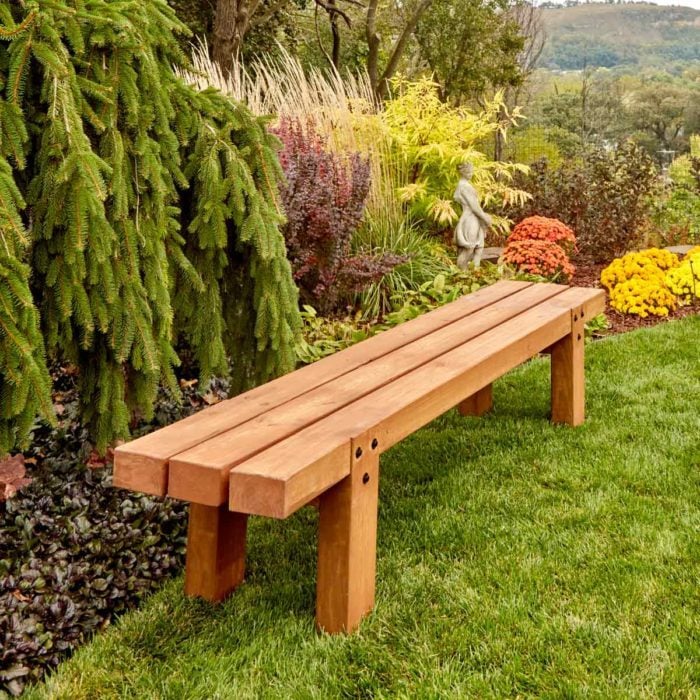
How to Craft Rustic Wooden Benches with a Live Edge

How to Craft Rustic Wooden Benches with a Live Edge

How to Craft Rustic Wooden Benches with a Live Edge

Embrace the beauty of nature with a live-edge bench, a captivating piece of furniture that showcases the unique character and grain patterns of wood. This DIY project allows you to create a rustic masterpiece for your home or outdoor space. Let's dive into the captivating world of crafting live-edge benches, step by step.

Choosing the Perfect Live-Edge Slab

The heart of your bench lies in the live-edge slab, so choose wisely. Seek a slab with a captivating natural edge that complements your design vision. Consider the wood species, size, and overall aesthetic. Hardwoods like oak, walnut, and maple offer durability and stunning grain patterns, while softer woods like pine and cedar provide a more rustic charm.

Exploring Wood Options

Each wood species brings its unique character to the table. Oak, for instance, boasts rich brown hues and a rugged texture, while walnut offers warm, chocolatey tones and intricate grain patterns. Maple's tight, fine grain creates a polished and refined look, while pine and cedar deliver a lighter, more rustic feel. Choose the wood that best embodies your desired aesthetic.

Preparing the Slab for Bench Construction

Once you've selected the perfect live-edge slab, prepare it for construction. Start by sanding the surface to remove any rough edges, splinters, or unevenness. This process ensures a smooth and comfortable seating surface. You can use various grades of sandpaper to achieve the desired finish, starting with coarse grit and progressively refining with finer grits.

Enhancing the Natural Beauty

After sanding, consider applying a sealant or finish to enhance the wood's natural beauty and protect it from the elements. Oil finishes, like tung oil or Danish oil, penetrate the wood, enhancing its grain patterns and providing a subtle sheen. For a more protective finish, opt for polyurethane or varnish, which creates a durable, water-resistant barrier.

Creating a Sturdy Base for Your Bench

The base of your bench plays a crucial role in its stability and overall design. You can choose from various options like simple legs, rustic crossbeams, or contemporary metal supports. Consider the style of your bench and the weight it will need to support when making your choice.

Simple Leg Construction

For a classic look, construct simple legs from hardwood. You can use pre-cut lumber or cut and shape them yourself. Ensure the legs are sturdy enough to support the weight of the bench and your seating. Attach the legs securely to the underside of the slab using wood glue and screws.

Rustic Crossbeams

For a more rustic aesthetic, use rough-cut lumber to create crossbeams. These beams can be attached directly to the underside of the slab or secured to pre-attached legs. Use wood glue and screws for a robust connection. The crossbeams will add visual interest and reinforce the stability of the bench.

Contemporary Metal Supports

For a modern and minimalist approach, opt for metal supports. These can be purchased pre-fabricated or custom-made to your specifications. Metal supports offer sleek lines, durability, and ease of assembly.

Finishing Touches for Your Live-Edge Bench

With the base and slab secured, add finishing touches to complete your rustic masterpiece. Consider adding cushions for comfort or integrating a backrest. If you're incorporating metal supports, you can choose from different finishes, such as powder coating or painting, to complement the wood's natural beauty.

Adding Comfort and Style

Cushions can transform your live-edge bench into a comfortable and inviting seat. Opt for natural fabrics like cotton or linen for a rustic feel or select a bold pattern for a contemporary touch. If adding a backrest, consider using the same wood species as the slab or a contrasting wood for visual interest.

Enhancing Your Bench's Durability

To ensure your bench's longevity, consider applying a protective finish to the wood and metal components. For the wood, you can use a sealant like polyurethane or varnish to shield it from moisture, UV rays, and scratches. For metal supports, a powder coating or paint will provide protection against rust and corrosion.

Creating a rustic wooden bench with a live edge is a rewarding project that combines craftsmanship and creativity. Embrace the unique character of natural wood and let your imagination run wild. With careful planning, attention to detail, and a touch of rustic charm, you'll craft a timeless piece of furniture that reflects your personal style and the beauty of nature.

How to Build Wooden Floating Shelves for Stylish Home Storage

How to Build Wooden Floating Shelves for Stylish Home Storage

Build Stylish Wooden Floating Shelves for Your Home

Are you tired of cluttered shelves and a chaotic home? Do you crave a minimalist aesthetic that's both practical and visually appealing? Look no further than floating shelves! They offer an elegant solution to storage woes, allowing you to showcase your favorite items while maximizing space. In this guide, we'll walk you through the process of building beautiful wooden floating shelves that perfectly complement your home décor.

Step 1: Choose Your Wood and Design

The first step is selecting the perfect wood for your floating shelves. Consider the style of your home and the desired aesthetic. Here are some popular choices:

  • Pine: This softwood is budget-friendly, easy to work with, and adds a rustic charm.
  • Maple: Known for its beautiful grain patterns, maple offers a warm and elegant look.
  • Walnut: With its rich dark color and distinctive grain, walnut adds sophistication and depth to any room.
  • Cherry: Cherrywood boasts a stunning reddish-brown hue and a smooth finish, making it perfect for a luxurious feel.

Once you've chosen your wood, think about the design. Consider factors like:

  • Shape: Do you prefer classic rectangular shelves or want to experiment with rounded edges or angled designs?
  • Size: Measure the space where you'll install the shelves to determine the ideal width and depth.
  • Finishing: Will you stain or paint the wood? A clear coat can enhance the natural beauty of the wood, while paint adds a pop of color.

Step 2: Gather Your Tools and Materials

To build your floating shelves, you'll need the following tools and materials:

  • Wood of your choice: Calculate the amount based on the dimensions of your shelves.
  • Measuring tape and pencil:
  • Circular saw or miter saw: For accurate cuts.
  • Sandpaper (various grits): For smoothing surfaces.
  • Wood glue:
  • Screwdriver or drill: For securing shelf brackets.
  • Shelf brackets: Choose ones that match your design and weight capacity.
  • Level:
  • Paint or stain (optional):
  • Clear coat (optional): To protect the wood.

Step 3: Cut and Shape the Shelves

Now, it's time to bring your design to life! Using your measuring tape and pencil, mark the dimensions of your shelves on the wood. Use a circular saw or miter saw to make clean, accurate cuts. If you're creating rounded edges or unique shapes, use a jigsaw or router.

Tip:

For added strength, consider using dado joints or pocket holes to join the shelf boards.

Step 4: Sand and Finish

Once you've cut your shelf pieces, it's time for sanding. Start with a coarse-grit sandpaper to smooth out any rough edges or imperfections. Progressively move to finer grits for a polished finish. If you're painting, sand the wood smooth to create a uniform surface for paint adhesion.

Next, apply your chosen stain or paint. Allow the finish to dry completely before applying a clear coat for extra protection.

Step 5: Install the Shelf Brackets

Measure the desired height for your floating shelves. Use a level to ensure they're perfectly aligned. Mark the wall where you'll install the brackets. Use a drill and screws to securely attach the brackets to the wall.

Step 6: Attach the Shelves

Carefully position your shelves on the brackets, ensuring they are centered. Use wood glue to secure the shelves to the brackets. Let the glue dry completely before loading the shelves with your belongings.

Step 7: Enjoy Your Stylish Floating Shelves

Congratulations! You've successfully built beautiful wooden floating shelves that add style and functionality to your home. Arrange your favorite books, plants, or decorative items on your new shelves, and admire the transformation in your space.

Remember, with a bit of creativity and care, you can easily create custom floating shelves that perfectly reflect your personal style. Happy building!

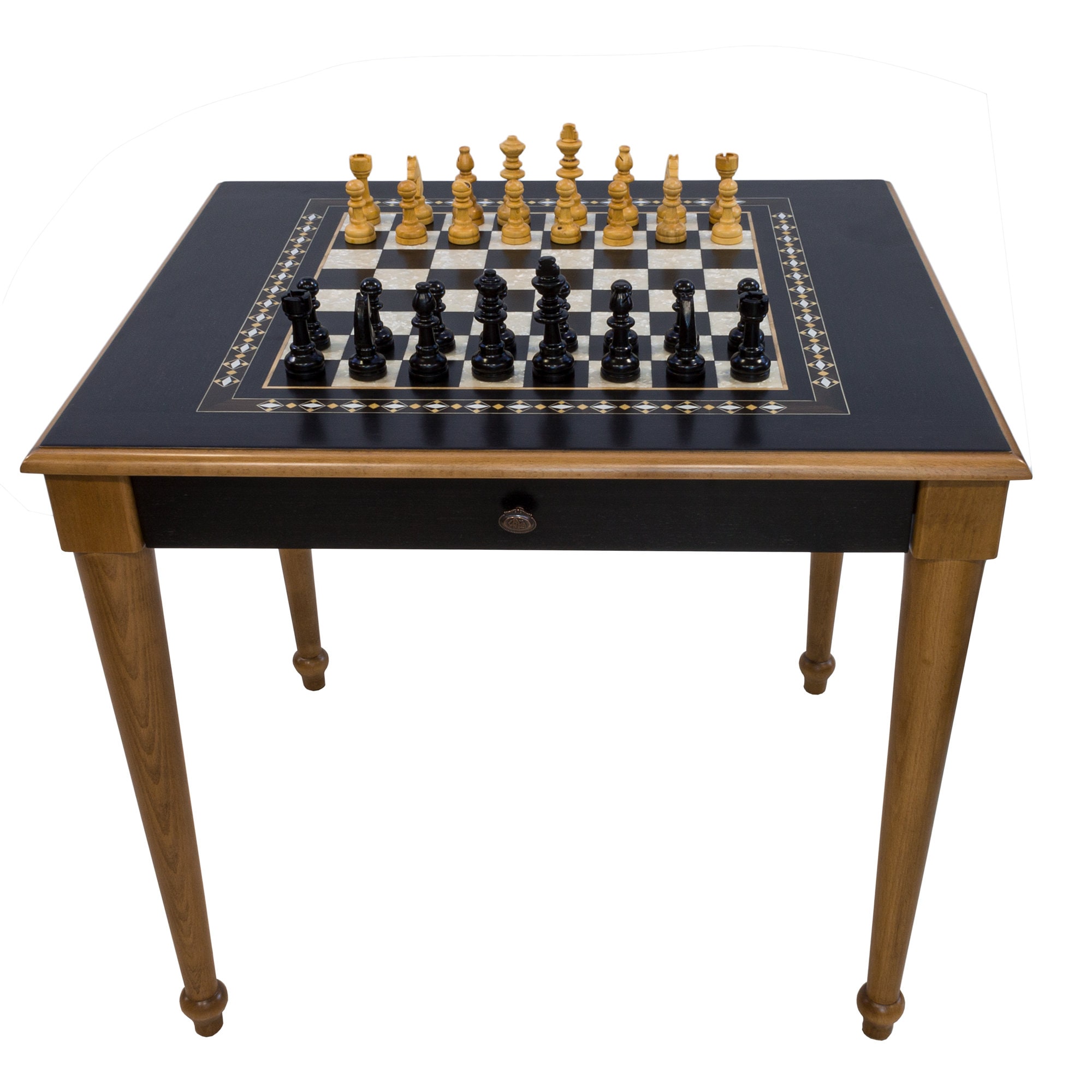
Wooden Chess Tables with Intricate Carvings and Detail That Will Appeal to Collectors

Wooden Chess Tables with Intricate Carvings and Detail That Will Appeal to Collectors

Chess Tables Fit for Kings: A Collector's Guide to Intricate Carvings and Details

Imagine this: a crisp autumn evening, a crackling fireplace, and the gentle clinking of chess pieces on a table crafted from rich, aged wood. This isn't just any table. This is a collector's piece, a work of art that speaks of craftsmanship and history with every intricate carving and detail. It's a chess table that's more than just a game board â€" it's a conversation starter, a family heirloom, and a testament to the beauty of human creativity.

If you're a chess enthusiast, a collector, or simply someone who appreciates fine craftsmanship, then you'll be captivated by the world of intricate, hand-carved chess tables. They're not just furniture; they're miniature masterpieces that transport you to different worlds, evoke emotions, and tell stories with every scroll, every leaf, and every majestic creature etched into their surface.

More Than Just a Game: The History and Art of Carved Chess Tables

The history of chess tables goes back centuries, intertwining with the evolution of the game itself. Ancient civilizations, from Persia to India, played variations of chess on intricate boards crafted from precious materials like ivory and sandalwood. Over time, these tables evolved, reflecting the artistic sensibilities and cultural influences of different eras and regions.

In the 16th and 17th centuries, European artisans began incorporating intricate carvings and details into their chess tables. These designs, often inspired by classical mythology, religious imagery, and Renaissance art, elevated the tables from functional pieces to works of art. The intricate carvings, often featuring mythical creatures, floral motifs, and geometric patterns, reflected the skill and artistry of the craftsmen.

The Allure of Intricate Carvings: What Makes a Collector's Chess Table Special?

What sets a collector's chess table apart from the average game board is the dedication to craftsmanship, the intricacy of the details, and the stories they tell. Here are some key features that make these tables truly unique:

1. Wood Selection: A Canvas for Art

The wood used in a collector's chess table is carefully chosen for its beauty, durability, and unique characteristics. Rich, dark woods like mahogany, walnut, and rosewood lend an air of classic elegance, while lighter woods like cherry and maple offer a more contemporary feel. Some tables even incorporate exotic woods like ebony and rosewood, further enhancing their value and aesthetic appeal.

2. Hand-Carved Details: Where Stories Unfold

The real magic lies in the intricate carvings. Imagine swirling vines climbing the legs, majestic lions guarding the corners, or delicate floral motifs framing the chessboard. Every detail is hand-crafted, each stroke of the chisel telling a story. The level of detail can range from subtle, refined patterns to bold, dramatic sculptures, adding a layer of depth and intrigue to the table.

3. Chessboard Inlays: A Touch of Elegance

The chessboard itself can be a work of art. Many collector's tables feature exquisite inlays, where contrasting woods are meticulously fitted together to create the squares. From simple, geometric patterns to intricate mosaics, the inlay design adds a touch of elegance and visual interest to the playing surface.

4. Unique Designs: Beyond the Traditional

Collectors appreciate the unique designs and themes found in hand-carved chess tables. Some tables are inspired by specific historical periods, while others draw inspiration from mythology, folklore, or nature. The possibilities are endless, reflecting the imagination and creativity of the artisans.

Types of Carvings to Look For: A Collector's Guide

The beauty of a carved chess table lies in the details. Here are some types of carvings that you'll often find on these exquisite pieces:

1. Floral Motifs: A Touch of Nature

Floral motifs, from delicate blossoms to intricate vines, are popular carving choices. These designs bring a touch of natural beauty to the table, reminiscent of gardens and landscapes. Look for realistic depictions of flowers like roses, lilies, and daisies, or stylized floral patterns like scrolls and leaves.

2. Geometric Patterns: A Symphony of Symmetry

Geometric patterns, such as diamonds, squares, and triangles, offer a sense of order and symmetry. They can range from simple, repetitive designs to complex, multi-layered patterns, adding visual interest and texture to the table.

3. Mythical Creatures: Embracing Fantasy

Mythical creatures like dragons, griffins, and sphinxes add a touch of magic and wonder to a chess table. These carvings are often depicted in elaborate detail, capturing the essence of these fantastical beings. Look for detailed scales, wings, and claws, enhancing the mythical aura of the piece.

4. Animal Carvings: A Tribute to Nature's Majesty

Animal carvings, from majestic lions to playful dolphins, add a touch of realism and whimsy to the table. These carvings can be found on the legs, corners, and even the chessboard itself, showcasing the skill of the artisan in capturing the essence of the animal's form.

Investing in a Legacy: The Value of a Carved Chess Table

Hand-carved chess tables are not just beautiful pieces of furniture; they're also valuable investments. Their craftsmanship, rarity, and historical significance make them prized possessions that can increase in value over time. Factors that influence the value of a chess table include:

  • Age: Older tables, especially those with documented provenance, are highly sought-after.
  • Rarity: Unique designs, materials, and craftsmanship make a table more valuable.
  • Condition: Well-preserved tables with minimal wear and tear command higher prices.
  • Artist: Tables by renowned craftsmen or from specific workshops can be extremely valuable.
  • If you're thinking about investing in a carved chess table, research its provenance, condition, and craftsmanship before making a purchase. It's always a good idea to consult with a reputable dealer or appraiser to ensure you're getting a fair price.

    Finding Your Perfect Chess Table: Where to Start

    The search for a collector's chess table can be an exciting journey, filled with discovery and delight. Here are some places to begin your quest:

  • Antique Shops and Dealers: Many antique shops specialize in furniture and decorative arts, including chess tables. You'll find a wide range of styles and periods here, from vintage to antique. Be sure to ask about the provenance of the table, and don't be afraid to negotiate.
  • Art Galleries and Auctions: Galleries and auction houses often feature unique and valuable pieces, including carved chess tables. You can attend auctions or browse online catalogs to find the perfect table.
  • Online Marketplaces: Websites like eBay, Etsy, and specialized antique marketplaces offer a vast selection of chess tables. Be sure to read the descriptions carefully, check reviews, and ask questions before purchasing.
  • Craftsmen and Workshops: If you're looking for a truly unique piece, consider commissioning a custom-made chess table from a skilled artisan or workshop. You can work with the craftsman to design a table that reflects your personal style and preferences.
  • Whether you're a seasoned collector or just starting your journey, there's a chess table out there that will capture your imagination and become a cherished part of your home. So, embark on a quest to discover the beauty of intricately carved chess tables and find the piece that will reign supreme in your collection.

    How to Build and Sell Plant Stands That Double as Shelving Units

    How to Build and Sell Plant Stands That Double as Shelving Units

    Build and Sell Plant Stands That Double as Shelving Units

    Looking for a unique and profitable woodworking project? Consider crafting plant stands that double as shelving units. These versatile pieces offer ample storage space while adding a touch of greenery and style to any room. Here’s a step-by-step guide to building and selling your own plant stand creations.

    Design Your Plant Stand

    Start by sketching out your vision. Consider the size, shape, and style that you want to achieve. Do you envision a sleek and modern design or a rustic and farmhouse-inspired look? Think about the materials you want to use and how they will complement the overall aesthetic. You can create a single-tiered stand for a compact display or opt for multiple tiers for a larger plant collection.

    Measure and Cut Materials

    Once you have your design finalized, measure and cut the wood. Choose sturdy, high-quality wood like pine, oak, or maple. For a more durable and weather-resistant option, consider using cedar or redwood. Remember to factor in any necessary adjustments for joinery and finishing touches.

    Assemble the Structure

    Use your chosen woodworking techniques to assemble the base, shelves, and any additional supports. You can use dowels, screws, or mortise and tenon joints for a strong and secure construction. Ensure all components align perfectly and are securely fastened for stability and longevity.

    Finishing Touches

    After assembly, give your plant stand a smooth and polished finish. Sand the wood to remove any imperfections and apply a stain, paint, or sealant to protect it. Choose a color and finish that complements the style and materials you’ve chosen.

    Add a Personal Touch

    Elevate your design by incorporating unique details. Consider using decorative hardware, adding a decorative back panel, or inlaying a wood design. You can also incorporate a built-in planter box or create a shelf with a lip to prevent pots from slipping.

    Marketing and Selling Your Plant Stands

    To reach your target market, utilize various marketing strategies.

    Online Platforms

    Sell your plant stands on online platforms like Etsy, Facebook Marketplace, and Craigslist. These platforms provide a wide audience and allow you to showcase your work with high-quality photos and detailed descriptions.

    Local Craft Shows and Markets

    Participate in local craft shows and farmers' markets. These events offer direct interaction with potential customers and create an opportunity to showcase the craftsmanship and versatility of your plant stands.

    Social Media

    Use social media platforms like Instagram and Pinterest to build a following and promote your creations. Share stunning photos of your plant stands in different settings and highlight the unique features and benefits of each piece.

    Tips for Success

    Here are some tips to ensure your plant stand business thrives:

    • Focus on high-quality materials and craftsmanship.
    • Offer a range of sizes and styles to cater to different needs.
    • Provide excellent customer service and build relationships with your clients.
    • Continuously learn and adapt to market trends.

    Building and selling plant stands that double as shelving units can be a rewarding and profitable venture. By combining your woodworking skills with creative design and effective marketing, you can create beautiful pieces that are both functional and stylish.

    Budget-Friendly DIY Wine Racks for Beginners

    Budget-Friendly DIY Wine Racks for Beginners

    Budget-Friendly DIY Wine Racks for Beginners

    Transform your ordinary space into a sophisticated wine haven with these budget-friendly DIY wine racks. Whether you're a seasoned oenophile or just starting to build your collection, these simple projects will have you storing your bottles in style without breaking the bank.

    Repurposed Ladder Wine Rack

    Give an old ladder a new lease on life by turning it into a charming wine rack. Find a wooden ladder at a thrift store or yard sale, and with a little sanding and painting, you can create a rustic centerpiece for your wine collection. Simply attach sturdy shelves to the rungs, ensuring they're wide enough to accommodate your bottles. For a more polished look, consider staining the wood or applying a clear sealant.

    Materials:

    • Wooden ladder
    • Wood planks or shelves
    • Screws
    • Sandpaper
    • Paint or stain (optional)
    • Clear sealant (optional)

    Crate Wine Rack

    Embrace the rustic charm of wine crates with this easy DIY project. Stack several wooden crates on top of each other, securing them with screws or glue. You can leave them as is for a natural look, or paint them in your favorite colors to match your décor. Arrange your bottles inside the crates, creating a cozy and unique display.

    Materials:

    • Wooden crates
    • Screws or wood glue
    • Paint (optional)

    Pipe Wine Rack

    For a modern and industrial touch, create a wine rack with PVC pipes. Cut the pipes into desired lengths and arrange them in a grid pattern on a wooden board. Secure the pipes with brackets and add a stylish touch by painting the pipes in metallic finishes. This minimalist design adds a touch of contemporary flair to your space.

    Materials:

    • PVC pipes
    • Wooden board
    • Brackets
    • Screws
    • Paint (optional)

    Tips for Success

    No matter which DIY wine rack you choose, remember these key tips to ensure success:

    • Measure Twice, Cut Once: Accurate measurements are crucial, especially for the pipe rack. Make sure your shelves and supports are sized correctly to accommodate your bottles.
    • Safety First: Always wear safety glasses and work in a well-ventilated area when using power tools or working with wood.
    • Embrace Imperfections: Don't be afraid of minor imperfections. DIY projects are about the journey, and a little character adds charm.
    • Have Fun!: Enjoy the process of creating your own wine rack. It's a chance to get creative, personalize your space, and showcase your love for wine.

    With a little imagination and these simple DIY wine rack ideas, you can transform your space into a stylish and functional haven for your wine collection. So, grab your tools and get crafting! Cheers to budget-friendly creativity!

    Budget-Friendly Wooden Bench Ideas for Crafting and Selling

    Budget-Friendly Wooden Bench Ideas for Crafting and Selling

    Crafting Budget-Friendly Wooden Benches: A Step-by-Step Guide for Sellers

    Hey there, fellow crafters! Looking for a budget-friendly project that's sure to sell? Wooden benches are a classic choice that's always in demand. And the best part? You can make them without breaking the bank. So, let's dive into the world of wooden benches and discover how to craft these charming pieces with a mindful eye on your wallet.

    Choosing Your Wood: The Foundation of Your Bench

    First things first, you need to pick your wood. This is where your budget-friendly approach comes into play. While fancy hardwoods like oak or walnut might be tempting, they can significantly inflate your costs. Instead, focus on readily available and affordable options:

    • Pine: This softwood is a classic choice for bench construction. It's lightweight, easy to work with, and often comes in budget-friendly boards. Plus, pine readily accepts paint or stain, allowing you to personalize your creations.
    • Cedar: If you're looking for a wood that's naturally insect-resistant and weatherproof, cedar is a great choice. It's slightly more expensive than pine, but the durability and aesthetic appeal make it worthwhile.
    • Reclaimed Wood: Giving new life to old wood is not only eco-friendly but also cost-effective. Keep your eyes open for reclaimed pallets, salvaged barn wood, or even repurposed furniture. The character and history of reclaimed wood can add a unique touch to your benches.

    Pro-Tip:

    When shopping for wood, consider checking local lumber yards, salvage stores, or even online auctions. You might discover hidden gems at lower prices than big box stores.

    Designing Your Bench: Getting Creative

    Now that you've got your wood sorted, let's brainstorm some design ideas. Think about the style, size, and features you want to incorporate.

    • Simple and Straightforward: A classic bench with a straight back and legs is a timeless design that's easy to make and universally appealing.
    • Curved Backrest: For a touch of elegance, consider a curved backrest. This design adds a touch of sophistication and can be achieved by using a flexible wood like pine or by bending plywood.
    • Storage Bench: Add extra functionality by incorporating a built-in storage compartment. This is ideal for tucking away blankets, pillows, or garden tools.
    • Multi-Purpose Designs: Get creative and think outside the box. A bench can also double as a planter, a bookshelf, or even a small table.

    Drawing It Out:

    Before you start cutting, create a simple sketch or diagram of your bench. This will help you visualize the design and ensure that all the pieces will fit together correctly. Even a basic outline can save you time and frustration in the long run.

    Building Your Bench: Step-by-Step Instructions

    Now comes the fun part! Let's assemble your wooden bench, step by step:

    1. Cutting the Wood:

    Using a handsaw, circular saw, or miter saw, cut your wood to the desired dimensions based on your design. Measure twice, cut once! Accuracy is key for a well-constructed bench.

    2. Assembling the Frame:

    Connect the pieces of your bench frame using wood glue and screws. You can use a drill with a countersinking bit to create flush screw holes for a clean finish.

    3. Building the Seat and Backrest:

    Once your frame is secure, attach the seat and backrest boards. If your design calls for a curved backrest, use a flexible wood or bend plywood to create the desired shape. Secure the seat and backrest boards with wood glue and screws.

    4. Sanding and Finishing:

    Sand your bench thoroughly to smooth out any rough edges. Use progressively finer grits of sandpaper to achieve a smooth, polished finish. Apply a stain, paint, or sealant to protect the wood and enhance its appearance.

    5. Adding Accents:

    Personalize your bench with creative accents. Consider adding decorative hardware, upholstery, or even a stencil design. Let your imagination run wild!

    Pricing Your Bench: A Guide to Profitability

    Now that your beautiful bench is ready, it's time to think about pricing. Here's a breakdown to help you determine a fair price:

    • Cost of Materials: Add up the price of the wood, screws, glue, and any other materials you used. Don't forget to factor in your time and effort!
    • Labor: Calculate your hourly rate and multiply it by the time it took you to build the bench.
    • Profit Margin: Aim for a profit margin of at least 20-30% to ensure you're making a decent return on your investment.
    • Market Research: Check online marketplaces and local craft fairs to see what similar benches are selling for in your area. This will help you set a competitive price.

    Marketing Your Bench: Reaching Potential Buyers

    You've got a stunning bench ready to go â€" now it's time to get the word out! Here are some effective marketing strategies:

    • Social Media: Share photos and videos of your bench on platforms like Instagram, Facebook, and Pinterest. Use relevant hashtags to reach a wider audience.
    • Online Marketplaces: List your bench on sites like Etsy, Facebook Marketplace, or Craigslist. Include detailed descriptions and high-quality photos.
    • Craft Fairs and Markets: Participate in local craft events to showcase your benches in person. This is a great opportunity to interact with potential buyers and get feedback.
    • Word-of-Mouth: Tell your friends, family, and neighbors about your bench-making venture. They might be interested in buying a piece or spreading the word to others.

    Conclusion: Embracing the Joy of Handmade

    Crafting budget-friendly wooden benches can be a rewarding and profitable venture. By using readily available materials, thinking creatively, and mastering the basic steps, you can create beautiful and functional pieces that will bring joy to your customers and help you build a successful craft business. Remember, every bench tells a story â€" make yours a tale of creativity, affordability, and handcrafted excellence!

    Thoughtful Woodworking Gift Ideas Your Loved Ones Will Adore

    Thoughtful Woodworking Gift Ideas Your Loved Ones Will Adore

    Thoughtful Woodworking Gift Ideas Your Loved Ones Will Adore

    Looking for a unique and heartfelt gift that shows your loved ones you care? Look no further than woodworking! Handcrafted wooden gifts exude warmth, personality, and a touch of artisan craftsmanship that sets them apart from the ordinary. From practical homeware to sentimental keepsakes, there's a woodworking gift for every taste and occasion. Let's explore some ideas that are sure to be treasured.

    Functional and Stylish Homeware

    For the homebody in your life, consider a handcrafted wooden piece that blends beauty and practicality. These gifts bring warmth and character to any space.

    Wooden Cutting Board

    This classic gift is always appreciated by home cooks. Choose a cutting board made from durable hardwoods like maple or walnut, and personalize it with an engraved name, initials, or a special message. Opt for a larger size for added versatility, and consider adding a groove for catching juice.

    Wooden Serving Tray

    A serving tray adds a touch of elegance to entertaining. Select a tray crafted from a visually appealing wood like cherry or oak, and personalize it with decorative elements like handles or a unique design. Look for a tray with a lip to prevent spills and a sturdy construction that can withstand the test of time.

    Wooden Utensil Holder

    Organize kitchen utensils with style and function. Wooden utensil holders come in various shapes and sizes, from classic cylindrical designs to whimsical geometric shapes. Choose a wood that complements your loved one's kitchen décor, and personalize it with a custom inscription.

    Personalized Keepsakes and Decor

    For gifts that hold sentimental value, explore handcrafted wooden items that commemorate special moments or express love and appreciation.

    Custom Wooden Sign

    Create a meaningful keepsake with a personalized wooden sign. It can feature a name, a special date, a quote, or a heartfelt message. Choose a font and wood type that aligns with the recipient's style and the occasion. A rustic wood like reclaimed barn wood adds a charming touch.

    Engraved Wooden Box

    A wooden box serves as a timeless and elegant way to store treasured items. Choose a sturdy box made from a beautiful wood like mahogany or cedar. Personalize it with an engraved inscription, a special design, or a family crest.

    Hand-Carved Wooden Figurine

    A handcrafted wooden figurine is a unique and personalized gift. It can be an animal, a person, or an abstract design that holds meaning for the recipient. Consider commissioning a skilled woodcarver to create a custom piece that reflects their personality and interests.

    Gifts for the Outdoorsy

    For nature lovers and adventurers, woodworking gifts offer a practical and stylish connection to the outdoors.

    Wooden Picnic Basket

    A handcrafted wooden picnic basket is the perfect gift for outdoor enthusiasts. Choose a spacious and durable basket made from natural materials like wicker or bamboo. Include a custom-made picnic blanket and a set of wooden utensils for a complete experience.

    Wooden Birdhouse

    Attract beautiful feathered friends to your loved one's garden with a handcrafted wooden birdhouse. Select a design that blends seamlessly with the surroundings and features a sturdy construction that will last for years to come.

    Wooden Wine Rack

    For the wine connoisseur in your life, consider a handcrafted wooden wine rack. Choose a design that complements their existing décor, whether it's a minimalist wall-mounted rack or a freestanding rack with ample storage space. Select a wood that enhances the flavor of their favorite vintages, like oak or cedar.

    No matter the occasion or the recipient, a woodworking gift is sure to be cherished. The warmth, beauty, and handcrafted nature of these items make them perfect for expressing love, appreciation, and a touch of personal flair.