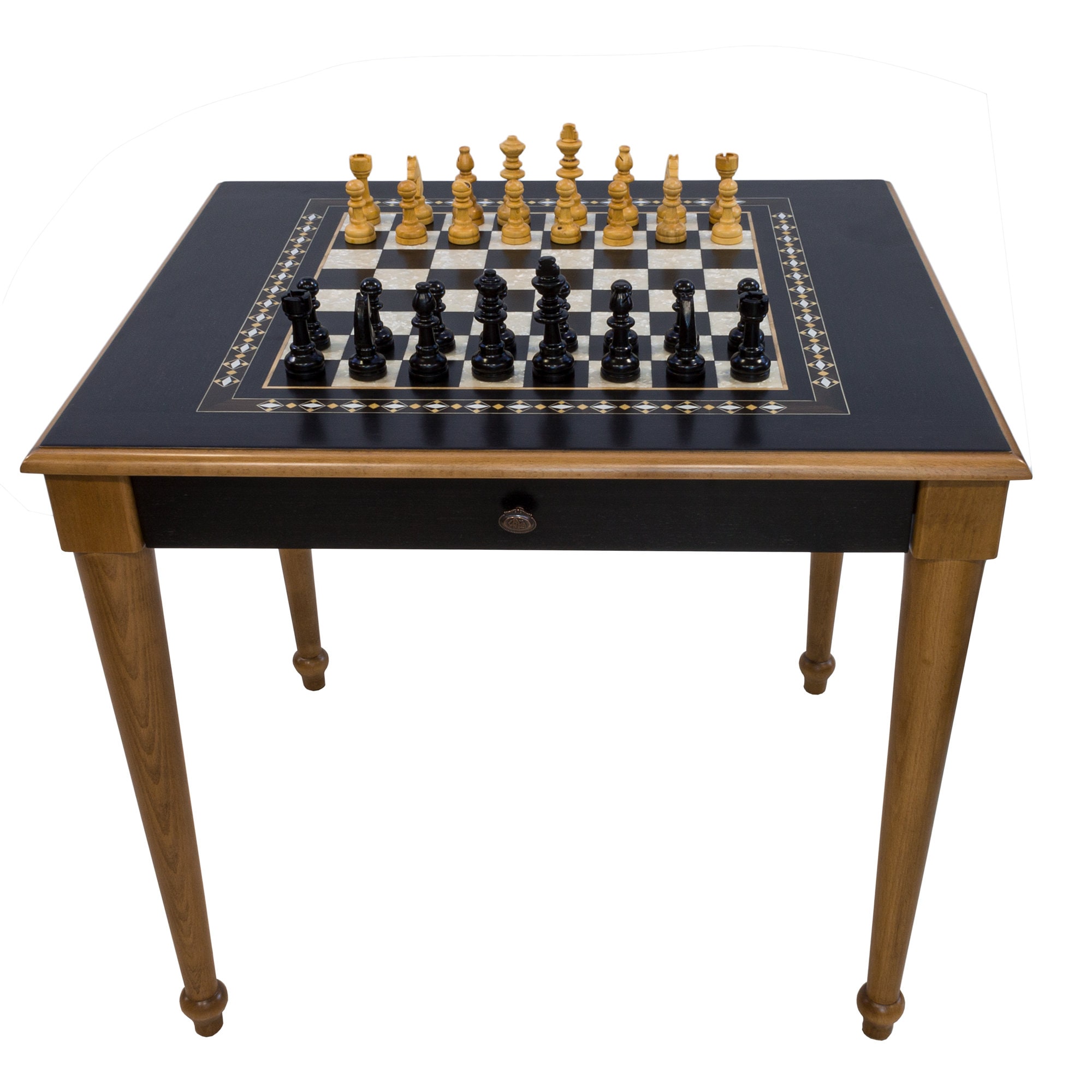
Chess Tables Fit for Kings: A Collector's Guide to Intricate Carvings and Details
Imagine this: a crisp autumn evening, a crackling fireplace, and the gentle clinking of chess pieces on a table crafted from rich, aged wood. This isn't just any table. This is a collector's piece, a work of art that speaks of craftsmanship and history with every intricate carving and detail. It's a chess table that's more than just a game board â€" it's a conversation starter, a family heirloom, and a testament to the beauty of human creativity.
If you're a chess enthusiast, a collector, or simply someone who appreciates fine craftsmanship, then you'll be captivated by the world of intricate, hand-carved chess tables. They're not just furniture; they're miniature masterpieces that transport you to different worlds, evoke emotions, and tell stories with every scroll, every leaf, and every majestic creature etched into their surface.
More Than Just a Game: The History and Art of Carved Chess Tables
The history of chess tables goes back centuries, intertwining with the evolution of the game itself. Ancient civilizations, from Persia to India, played variations of chess on intricate boards crafted from precious materials like ivory and sandalwood. Over time, these tables evolved, reflecting the artistic sensibilities and cultural influences of different eras and regions.
In the 16th and 17th centuries, European artisans began incorporating intricate carvings and details into their chess tables. These designs, often inspired by classical mythology, religious imagery, and Renaissance art, elevated the tables from functional pieces to works of art. The intricate carvings, often featuring mythical creatures, floral motifs, and geometric patterns, reflected the skill and artistry of the craftsmen.
The Allure of Intricate Carvings: What Makes a Collector's Chess Table Special?
What sets a collector's chess table apart from the average game board is the dedication to craftsmanship, the intricacy of the details, and the stories they tell. Here are some key features that make these tables truly unique:
1. Wood Selection: A Canvas for Art
The wood used in a collector's chess table is carefully chosen for its beauty, durability, and unique characteristics. Rich, dark woods like mahogany, walnut, and rosewood lend an air of classic elegance, while lighter woods like cherry and maple offer a more contemporary feel. Some tables even incorporate exotic woods like ebony and rosewood, further enhancing their value and aesthetic appeal.
2. Hand-Carved Details: Where Stories Unfold
The real magic lies in the intricate carvings. Imagine swirling vines climbing the legs, majestic lions guarding the corners, or delicate floral motifs framing the chessboard. Every detail is hand-crafted, each stroke of the chisel telling a story. The level of detail can range from subtle, refined patterns to bold, dramatic sculptures, adding a layer of depth and intrigue to the table.
3. Chessboard Inlays: A Touch of Elegance
The chessboard itself can be a work of art. Many collector's tables feature exquisite inlays, where contrasting woods are meticulously fitted together to create the squares. From simple, geometric patterns to intricate mosaics, the inlay design adds a touch of elegance and visual interest to the playing surface.
4. Unique Designs: Beyond the Traditional
Collectors appreciate the unique designs and themes found in hand-carved chess tables. Some tables are inspired by specific historical periods, while others draw inspiration from mythology, folklore, or nature. The possibilities are endless, reflecting the imagination and creativity of the artisans.
Types of Carvings to Look For: A Collector's Guide
The beauty of a carved chess table lies in the details. Here are some types of carvings that you'll often find on these exquisite pieces:
1. Floral Motifs: A Touch of Nature
Floral motifs, from delicate blossoms to intricate vines, are popular carving choices. These designs bring a touch of natural beauty to the table, reminiscent of gardens and landscapes. Look for realistic depictions of flowers like roses, lilies, and daisies, or stylized floral patterns like scrolls and leaves.
2. Geometric Patterns: A Symphony of Symmetry
Geometric patterns, such as diamonds, squares, and triangles, offer a sense of order and symmetry. They can range from simple, repetitive designs to complex, multi-layered patterns, adding visual interest and texture to the table.
3. Mythical Creatures: Embracing Fantasy
Mythical creatures like dragons, griffins, and sphinxes add a touch of magic and wonder to a chess table. These carvings are often depicted in elaborate detail, capturing the essence of these fantastical beings. Look for detailed scales, wings, and claws, enhancing the mythical aura of the piece.
4. Animal Carvings: A Tribute to Nature's Majesty
Animal carvings, from majestic lions to playful dolphins, add a touch of realism and whimsy to the table. These carvings can be found on the legs, corners, and even the chessboard itself, showcasing the skill of the artisan in capturing the essence of the animal's form.
Investing in a Legacy: The Value of a Carved Chess Table
Hand-carved chess tables are not just beautiful pieces of furniture; they're also valuable investments. Their craftsmanship, rarity, and historical significance make them prized possessions that can increase in value over time. Factors that influence the value of a chess table include:
If you're thinking about investing in a carved chess table, research its provenance, condition, and craftsmanship before making a purchase. It's always a good idea to consult with a reputable dealer or appraiser to ensure you're getting a fair price.
Finding Your Perfect Chess Table: Where to Start
The search for a collector's chess table can be an exciting journey, filled with discovery and delight. Here are some places to begin your quest:
Whether you're a seasoned collector or just starting your journey, there's a chess table out there that will capture your imagination and become a cherished part of your home. So, embark on a quest to discover the beauty of intricately carved chess tables and find the piece that will reign supreme in your collection.


0 comments:
Post a Comment
Note: Only a member of this blog may post a comment.