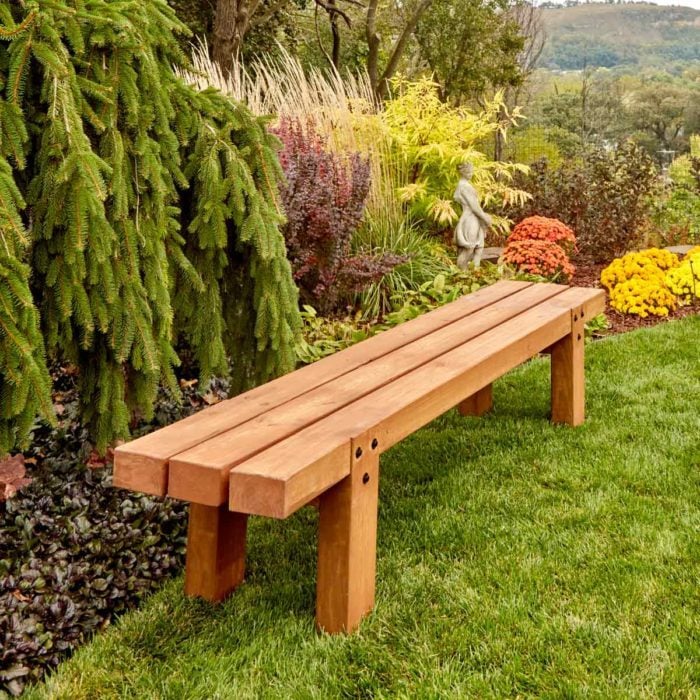
10 Beginner-Friendly Wood Project Ideas to Build for Your Home
Hey there, DIY enthusiast! Are you itching to get your hands dirty and create something awesome for your home, but feel a little intimidated by the whole woodworking thing? Don't worry, you're not alone. Woodworking can seem daunting at first, but with the right projects and a little guidance, it's surprisingly accessible. Let's dive into 10 beginner-friendly wood projects that will get you hooked on the craft and make your home a little more stylish and personalized.
1. A Simple Picture Frame
Let's start with something truly basic. A picture frame is a perfect beginner project for a few reasons. First, it's small and manageable, so you won't be overwhelmed by the size. Second, you can easily find instructions online, and there are plenty of tutorials with detailed step-by-step guides. Plus, you get to showcase your favorite photos in a custom frame you made yourself!
What You'll Need:
- Wood strips (choose a simple wood like pine or poplar)
- Mitre saw or hand saw
- Wood glue
- Clamps
- Sandpaper
- Stain or paint (optional)
- Glass or plexiglass (optional)
- Picture hanging hardware (optional)
Here's the Basic Process:
- Cut your wood strips to size, creating four sides that will form the frame.
- Use a mitre saw or a hand saw to cut precise 45-degree angles on the ends of the strips for a clean, mitered corner look.
- Apply wood glue to the ends of the strips and carefully assemble the frame. Clamp it securely until the glue dries.
- Sand down any rough edges and imperfections.
- If you're staining or painting, apply your chosen finish.
- Attach the glass or plexiglass (if using) to the frame with small tacks.
- Add hanging hardware on the back if you want to hang your frame on the wall.
2. A Cozy Wooden Shelf
Okay, ready for a slightly bigger challenge? Building a shelf is a great way to add storage and organization to your home, and it's surprisingly doable for beginners. You can keep it simple with a floating shelf or get creative with a tiered or corner shelf design.
What You'll Need:
- Wooden boards (for shelf and supports)
- Screws
- Drill and screwdriver bits
- Level
- Tape measure
- Pencil
- Sandpaper
- Stain or paint (optional)
Building a Basic Floating Shelf:
- Cut your boards to size. The shelf board should be the width you want, and the support boards should be slightly shorter to create a hidden support system.
- Pre-drill holes in the support boards to prevent splitting when screwing them in.
- Attach the support boards to the wall, ensuring they are level. Use screws that are long enough to securely fasten to your wall studs.
- Position the shelf board on top of the support boards, ensuring it's level. Pre-drill holes and attach it to the support boards using screws.
- Sand down the shelf and supports, and apply stain or paint if you desire.
3. A Charming Wooden Sign
Want to add a personalized touch to your home decor? Wooden signs are a fantastic way to showcase your creativity and express your personality. You can create a welcome sign for your front door, a motivational quote for your home office, or a cute kitchen sign for your baking corner. The possibilities are endless!
What You'll Need:
- Wooden board (you can find pre-cut signs at craft stores or use a scrap board)
- Stencil or paint brushes (for lettering)
- Acrylic paint (in your desired colors)
- Sandpaper
- Saw (if you need to cut the board to size)
- Optional embellishments: twine, buttons, glitter, etc.
Creating Your Sign:
- Sand down your wooden board to create a smooth surface.
- If needed, cut your board to the desired size.
- If using a stencil, secure it to the board using painter's tape. Apply paint through the stencil, being careful to avoid bleeding.
- If hand-painting letters, use a steady hand or practice on a separate piece of paper first. Let the paint dry completely.
- Add any desired embellishments, such as twine, buttons, or glitter.
- You can finish the sign with a clear coat of sealant to protect the paint and add a glossy finish.
4. A Practical Cutting Board
Cutting boards are a kitchen essential, and you can make a stunningly functional one yourself. Choose a nice hardwood like maple or walnut, and you'll have a cutting board that's both beautiful and durable. Don't worry, cutting boards are surprisingly straightforward to make.
What You'll Need:
- Hardwood board (like maple, walnut, or cherry)
- Jointer (optional, but helps for a smoother surface)
- Planer (optional, but helps for a flat surface)
- Table saw (to cut the board to size)
- Sandpaper (various grits)
- Mineral oil or beeswax (for finishing)
Building Your Cutting Board:
- If you're using a jointer and planer, use these to flatten and smooth the board. This step is optional but will result in a smoother cutting surface.
- Cut the board to your desired size using a table saw.
- Sand the board with progressively finer grits of sandpaper to achieve a smooth finish. This will help prevent food from sticking and make cleaning easier.
- Apply mineral oil or beeswax to the board using a cloth or brush. This will protect the wood and make it water-resistant. Let it dry completely.
- Repeat the mineral oil or beeswax treatment every few months to keep your cutting board in good condition.
5. A Decorative Wooden Box
Wooden boxes are versatile! You can use them for storage, as jewelry boxes, or even as decorative elements on your shelf. The beauty of a wooden box is that you can customize it to fit your style with paint, stain, or decorative elements.
What You'll Need:
- Wooden planks (you can use scrap wood or purchase pre-cut pieces)
- Wood glue
- Clamps
- Saw (to cut the planks to size)
- Sandpaper
- Hinges (for the lid)
- Screws
- Stain or paint (optional)
- Decorative elements (optional: knobs, handles, etc.)
Constructing Your Box:
- Cut your wooden planks to the desired size for the box and lid. The box will have four sides and a bottom.
- Glue and clamp the sides of the box together, creating a square or rectangular frame. Let the glue dry completely.
- Attach the bottom to the frame using glue and clamps. Again, allow the glue to dry fully.
- Sand down the box and lid to achieve a smooth finish.
- Attach hinges to the lid using screws. You might need to pre-drill holes to prevent splitting.
- Apply stain or paint to your box and lid (if you're adding a finish).
- Attach any decorative elements like knobs or handles to the box and lid.
6. A Functional Wooden Tray
Wooden trays are a great way to add a touch of elegance to your home. You can use them to serve snacks, organize your toiletries, or even display small plants. Making a wooden tray is a simple and rewarding project.
What You'll Need:
- Wooden boards (you can use a single large board or smaller planks)
- Wood glue
- Clamps
- Saw (to cut the boards to size)
- Sandpaper
- Optional: wooden handles (for a more traditional look)
- Stain or paint (optional)
- Clear finish (like polyurethane or wax)
Building Your Tray:
- Cut your wooden boards to the desired size for the tray. You'll need a bottom and sides that will form the perimeter.
- Glue and clamp the sides to the bottom, creating a frame. Make sure the corners are aligned and the sides are flush with the bottom.
- Let the glue dry completely. You can use a weight or additional clamps to ensure the pieces are pressed together firmly.
- Sand down the tray to smooth out any rough edges.
- If adding handles, attach them to the sides of the tray using screws or glue. You can pre-drill holes for the screws to prevent splitting.
- Apply stain or paint to your tray if you'd like to add a specific color.
- Apply a clear finish, like polyurethane or wax, to protect the wood and enhance its natural beauty. This will also make cleaning the tray easier.
7. A Charming Wooden Birdhouse
Want to add some personality to your yard? Building a wooden birdhouse is a fun and rewarding project that will attract feathered friends to your garden. You can choose a simple design or get creative with different shapes and sizes. Plus, it's a wonderful way to connect with nature and provide a home for birds.
What You'll Need:
- Wooden boards (you can use scrap wood or buy pre-cut pieces)
- Saw (to cut the boards to size)
- Wood glue
- Screws
- Drill
- Sandpaper
- Paint or stain (optional)
- Optional: birdhouse roof shingles, decorative trim, etc.
Constructing Your Birdhouse:
- Choose a birdhouse design and find instructions online. There are numerous free and paid birdhouse plans available.
- Cut your wooden boards to the size specified in the instructions. You'll need pieces for the base, sides, roof, and entry hole.
- Assemble the birdhouse by gluing and screwing the pieces together. Make sure the entry hole is the appropriate size for the type of bird you want to attract.
- Sand down the birdhouse to create a smooth surface. You can also use a round sander to create a smoother finish around the entry hole. This will prevent the birds from getting splinters.
- Paint or stain your birdhouse to your liking. Choose colors that blend with your garden or use bright colors to make it stand out!
- Add any decorative elements like shingles, trim, or a perch.
8. A Stylish Wooden Coasters Set
Wooden coasters are a practical and elegant way to protect your furniture from condensation rings. Making a set of coasters is a fantastic beginner project that can be customized to fit your home decor. You can experiment with different shapes, sizes, and wood types.
What You'll Need:
- Wooden squares or circles (cut from scrap wood or purchased pre-cut)
- Sandpaper (various grits)
- Wood glue (optional, for layering wood)
- Cork sheet (for the bottom of the coasters)
- Scissors or craft knife
- Stain or paint (optional)
- Clear finish (like polyurethane or wax)
Creating Your Coaster Set:
- Cut your wooden squares or circles to the desired size. You can use a circular saw for circles or a jigsaw for square or rectangular shapes.
- Sand down the wooden pieces to create a smooth finish. This will prevent the coasters from scratching your furniture. Use progressively finer grits of sandpaper for a smooth, polished look.
- If desired, you can layer different wood pieces together by gluing them with wood glue and clamping them until the glue dries.
- Cut cork circles or squares from the cork sheet using scissors or a craft knife. The cork pieces should be slightly larger than the wooden pieces to create a protective bottom for the coasters.
- Glue the cork pieces to the bottom of the wooden coasters. This will provide a non-slip surface and protect your tabletops.
- If you want to add a decorative element, stain or paint your coasters. Let the stain or paint dry completely before proceeding.
- Apply a clear finish, like polyurethane or wax, to seal the wood and protect it from spills or scratches.
9. A Charming Wooden Wall Clock
A wooden wall clock can add a rustic or modern touch to your home decor. You can find pre-made clock kits or create your own design. You'll need a clock mechanism, which you can purchase online or at craft stores.
What You'll Need:
- Wooden circle (you can find pre-cut circles at craft stores or use a scrap piece of wood)
- Saw (to cut the circle to size)
- Sandpaper
- Clock mechanism (including hands and movement)
- Screws
- Drill
- Stain or paint (optional)
- Optional: clock face numbers, decorative elements, etc.
Building Your Clock:
- If you need to cut the wood circle to size, use a jigsaw or circular saw.
- Sand down the wooden circle to create a smooth surface. You can also use a router to create a more decorative edge.
- Decide on your clock face design and add any desired numbers or decorative elements. You can use stencils, paint, or even woodburning techniques.
- Attach the clock mechanism to the back of the wooden circle, aligning the hands with the center of the circle. Use screws to secure the mechanism. You may need to pre-drill holes to avoid splitting the wood.
- Attach a hook or hanging hardware to the back of the clock for easy hanging.
- Insert batteries into the clock mechanism and enjoy your newly crafted clock!
10. A Personalized Wooden Jewelry Box
A wooden jewelry box is a thoughtful and practical gift, or a lovely addition to your own bedroom. You can create a unique design with different wood types, finishes, and embellishments. The beauty of woodworking is the opportunity to personalize your projects and make them truly special.
What You'll Need:
- Wooden box (you can use a pre-made box or build one using a simple design)
- Sandpaper
- Stain or paint (optional)
- Optional: wood burning tools, decorative hardware (knobs, hinges), fabric lining, etc.
Creating Your Jewelry Box:
- If you're building your own box, follow the instructions for creating a wooden box in step 5 of this guide. You can use a simple design and create a rectangular or square box.
- Sand down the box to achieve a smooth finish. If you're using a pre-made box, make sure to sand any rough edges or imperfections.
- If you're using wood burning tools, create a design or pattern on the box. You can find inspiration online or create your own unique designs.
- Apply stain or paint to the box to create your desired color or finish.
- Add any desired embellishments, such as decorative hardware, a fabric lining, or even a personalized engraved message.
- Fill the box with your favorite jewelry or use it to store other small trinkets.
Commonly Asked Questions
Q: I'm a complete beginner. Do I need fancy tools?
A: Not at all! You can start with basic tools like a hand saw, a drill, and sandpaper. You can gradually invest in more advanced tools as you gain experience and explore more complex projects.
Q: Where can I learn woodworking techniques?
A: The internet is your friend! There are countless free tutorials and videos on YouTube, woodworking websites, and online courses. You can also find great beginner-friendly books at your local library or bookstore.
Q: How do I choose the right wood for my project?
A: It depends on the project! Some woods are harder and more durable (like oak and maple), while others are softer and easier to work with (like pine and poplar). Consider the look, durability, and price when choosing wood.
Q: What safety precautions should I take?
A: Always wear safety glasses, ear protection, and a dust mask when working with wood. Make sure your workspace is well-lit and organized. And most importantly, read the instructions carefully and don't rush the process.
Q: What if I make a mistake?
A: Everyone makes mistakes! Don't get discouraged. Woodworking is a process of learning and experimenting. You can always sand down mistakes or try again. With practice and patience, you'll improve your skills and confidence.
So, there you have it! 10 beginner-friendly woodworking projects that are perfect for getting started. Don't be afraid to dive in, experiment, and enjoy the process. You'll be amazed by what you can create, and you'll be on your way to becoming a woodworking enthusiast in no time!


0 comments:
Post a Comment
Note: Only a member of this blog may post a comment.